
 By PRN Michael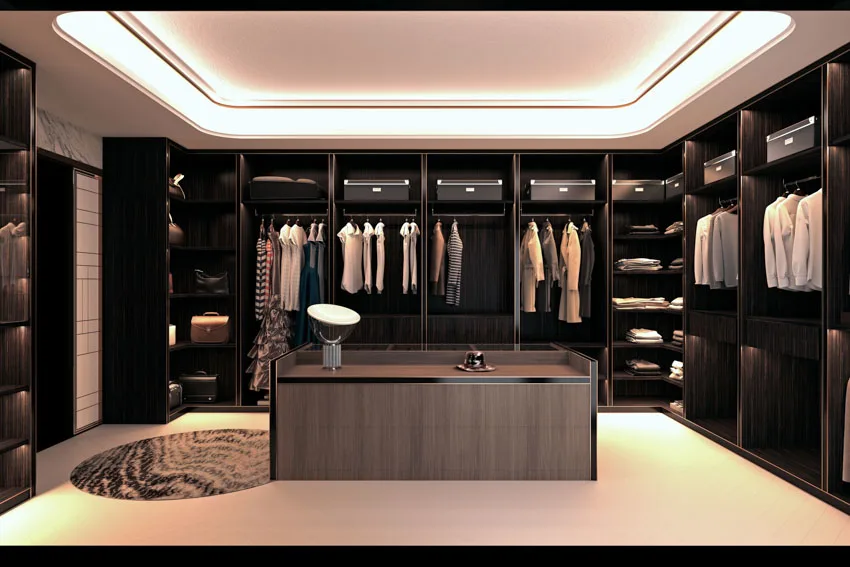
A closet island looks simple until the drawers hit your hanging clothes, the walkway pinches at the corner, or the countertop becomes a beautiful place to stack laundry you meant to fold three days ago. A smart walk in closet island solves a real problem: it gives you a clean folding surface, hidden storage, and a center point that makes the bedroom dressing area feel finished. For many U.S. homeowners, especially in suburban primary suites where closet space has grown but daily organization has not, the island becomes less about luxury and more about control. Good planning also fits into broader home improvement planning because this type of upgrade touches storage, lighting, flooring, traffic flow, and resale perception at the same time. The mistake is treating it like a furniture purchase. It is not. It behaves more like built-in cabinetry. Once it sits in the middle of the room, every inch around it matters, and every drawer has to earn its space.
Walk In Closet Island Planning Starts With Clearances, Not Cabinet Style
The center of a closet can feel empty on paper, but real use exposes tight spots fast. You bend, reach, turn, carry laundry, open drawers, and move around another person who may be getting ready at the same time. A good island plan starts by protecting movement before anyone falls in love with cabinet doors, stone tops, or hardware finishes.
Why Aisle Space Decides Daily Comfort
A comfortable aisle gives your closet a calm rhythm. Around an island, many homeowners want at least 36 inches of walking space, and more feels better when drawers or cabinet doors open into that path. In a narrow room, a beautiful island can become the obstacle you curse every morning.
The friction shows up in small moments. You pull out a drawer, step back, and bump into hanging shirts. Someone else opens a hamper cabinet, and now nobody can pass. That kind of layout does not feel expensive. It feels poorly judged.
A better move is to tape the island footprint on the floor before ordering anything. Walk around it with a laundry basket, open imaginary drawers, and bend as if you are pulling shoes from a low shelf. This low-tech test catches more layout problems than a glossy rendering ever will.
Closet Island Dimensions That Fit Real Bedrooms
Good closet island dimensions depend on the room, not on a showroom sample. A long, narrow island may work better than a chunky square one when the closet has hanging rods on both sides. In a large square room, a wider island can hold drawers on two faces without blocking movement.
Many primary bedroom closets in U.S. homes look generous until shelving is added. Double hanging sections, shoe walls, mirrors, and valet rods all steal inches from the center. That is why measuring the finished storage depth matters more than measuring bare drywall.
Counter height also shapes comfort. A surface near standard counter height works well for folding shirts, sorting accessories, or packing a weekend bag. Too low, and your back complains. Too high, and the island starts feeling like a display counter instead of a working surface.
Storage Design Should Serve Habits Before It Serves Looks
Once the footprint is honest, the island has to answer a harder question: what should it hold? Many designs fail because they copy kitchen cabinetry without asking how clothes, jewelry, watches, belts, handbags, and laundry move through the room. The best bedroom closet storage is built around behavior, not fantasy.
Bedroom Closet Storage That Reduces Morning Friction
Strong bedroom closet storage starts with the items you touch most often. Socks, folded T-shirts, workout clothes, undergarments, scarves, and small accessories deserve the easiest drawers. These are the pieces that create daily clutter when they do not have a clear landing spot.
A homeowner in Dallas, for example, may need shallow drawers for sunglasses and watches near the bedroom entry, while a family in Chicago may need deeper seasonal drawers for sweaters and cold-weather layers. Climate changes the storage story more than people expect.
The counter should not become a permanent holding zone for half-finished chores. Give the island a purpose: fold clean laundry, stage outfits, organize accessories, or hold travel packing items. A surface with no assigned job becomes a magnet for mess.
Custom Closet Drawers That Protect Small Items
Custom closet drawers are worth considering when standard drawer stacks waste space. Jewelry trays, velvet-lined watch inserts, divided belt drawers, and shallow accessory compartments turn tiny items into visible, reachable pieces. Without dividers, small things migrate to the back and vanish.
Drawer depth needs discipline. Deep drawers look useful, but they often become clothing wells where neat stacks collapse. Shallow to medium drawers usually serve daily clothing better because you see what you own without digging.
Custom closet drawers also help protect value. Sunglasses, watches, cufflinks, delicate scarves, and fine belts last longer when they do not scrape against each other. The island then becomes more than storage. It becomes a quiet protection system for the things you already paid for.
Folding Function Changes How the Island Gets Used
An island can look finished and still fail at laundry. Folding needs clear counter space, good lighting, nearby drawers, and enough edge room to handle larger items. This is where pretty design meets the unglamorous truth of daily home life: clothes do not fold themselves, and a cramped surface makes the job easier to avoid.
Folding Island Surfaces Need Space, Light, and Toughness
A folding island needs a surface that can handle repeated contact without feeling fragile. Quartz, sealed wood, laminate, and durable engineered surfaces can all work when matched to the home’s style and budget. Marble may look lovely, but it can feel fussy in a space where laundry baskets, hangers, and zipper pulls land often.
Lighting matters more than many people expect. A shadow across the center counter makes matching navy and black clothing harder than it should be. Overhead lighting, nearby recessed fixtures, or a centered pendant can make the folding zone feel intentional.
Surface size should match the task. A narrow top works for accessories, but folding towels, jeans, or bedding needs more room. The counter should invite use, not force you to finish laundry on the bed because the island is covered by a decorative tray.
A Folding Island Can Stop Laundry From Taking Over the Bedroom
A folding island works best when drawers sit close to the folded categories. Shirts go from basket to counter to drawer without crossing the room. That short path matters because every extra step gives clutter a chance to land somewhere else.
Some homeowners add a pull-out hamper or open cubby for clean-but-not-yet-folded clothes. That sounds minor, but it changes the room’s behavior. Instead of laundry spreading across a chair, it stays contained until you have ten minutes to reset the space.
The unexpected benefit is mental. A clear folding zone removes one more excuse from the weekly routine. You may still postpone laundry now and then. Fair enough. But the room stops fighting you, and that changes how often the job gets finished.
Installation Details Protect the Investment Long After Move-In
The final design decision is not the cabinet color. It is how the island meets the floor, how power is handled, how lighting lands, and how future repairs will happen. Built-in furniture should feel permanent without becoming impossible to service. That balance separates a smart upgrade from an expensive headache.
Flooring, Anchoring, and Power Need Early Decisions
Flooring should be settled before installation. If the island sits on top of carpet, it may never feel as solid as it should. On hardwood, tile, or luxury vinyl plank, anchoring needs care so the floor is protected and the cabinet stays secure.
Power can be useful if the island supports steaming, charging, lighting, or a small safe. The planning has to happen before the cabinets arrive. Running electrical after installation can mean patching floors, cutting panels, or accepting visible compromises.
A licensed electrician should handle outlet work, especially when local codes apply. The National Electrical Code is a serious reference point for safe electrical planning, and local requirements can vary by city or county. Guessing with power is never the place to save money.
Finishes Should Match the Bedroom Without Copying It
The island should belong to the bedroom suite, but it does not need to copy every finish. Matching the exact dresser color can make the closet feel flat. A softer contrast often looks more collected, such as warm wood against painted shelving or a stone top against simple shaker fronts.
Hardware deserves touch testing. Knobs that look delicate may annoy you when opened ten times every morning. Pulls with enough grip often feel better on drawers, especially wide ones holding folded clothing.
Resale value comes from usefulness more than drama. Buyers notice when storage feels organized, lighting makes sense, and movement feels generous. A bold finish can charm the right person, but a well-planned island wins wider approval because it solves problems without demanding attention.
Conclusion
A bedroom closet island should never be treated like a trophy placed in the middle of a room. The best ones work hard without shouting. They give you a place to fold, sort, store, charge, stage, and reset the space before the mess spills into the bedroom. That kind of design feels good because it removes small daily irritations before they build into visible clutter. The smartest walk in closet island is not always the largest or most expensive version. It is the one that respects your clearances, supports your habits, and still looks right five years after the install. Before choosing finishes, measure the room after shelving depth, test the footprint with tape, and decide what the island must do on an average Tuesday morning. Start with function, then let the finish follow, because a closet that works beautifully will always feel more luxurious than one that only photographs well.
Frequently Asked Questions
How much space do you need around a bedroom closet island?
Aim for enough room to walk, turn, and open drawers without bumping into hanging clothes or shelving. Around 36 inches is a common comfort target, though larger closets may benefit from more. Tape the footprint on the floor before ordering cabinets.
What is the best height for a closet island used for folding clothes?
Standard counter height usually feels natural for folding shirts, sorting accessories, and packing bags. A lower surface can strain your back, while a taller one may feel awkward for daily clothing tasks. Match the height to the person who will use it most.
Are custom closet drawers worth the extra cost?
They can be worth it when you own small items that need separation, such as watches, jewelry, belts, scarves, or sunglasses. Divided drawers reduce clutter and protect accessories from scratches. Standard drawers work fine for basic folded clothing.
Can you add outlets to a closet island?
Yes, but electrical planning should happen before installation. Outlets can support charging, lighting, steaming, or a small safe. A licensed electrician should handle the work so the layout meets local code and avoids unsafe shortcuts.
What countertop material works best for a closet island?
Quartz, sealed wood, durable laminate, and engineered surfaces all work well when matched to the room’s use. Choose a material that resists scratches, cleans easily, and does not feel too delicate for laundry baskets, hangers, and daily handling.
Should a closet island match the bedroom furniture?
It should coordinate with the bedroom, but exact matching is not required. A subtle contrast often looks richer and more custom. Keep the style connected through color tone, hardware finish, or countertop choice instead of copying every piece.
Can a small walk-in closet have an island?
A small closet can have an island only if movement remains comfortable after shelving and hanging depth are included. Narrow rolling islands or slim built-in units may work better than full cabinetry. If the island blocks drawers or foot traffic, skip it.
What should you store in a closet island?
Store items you use often, such as folded shirts, socks, accessories, workout clothes, watches, belts, or seasonal pieces. Keep the top clear for folding and staging outfits. The island works best when every drawer has a clear job.