
 By PRN Michael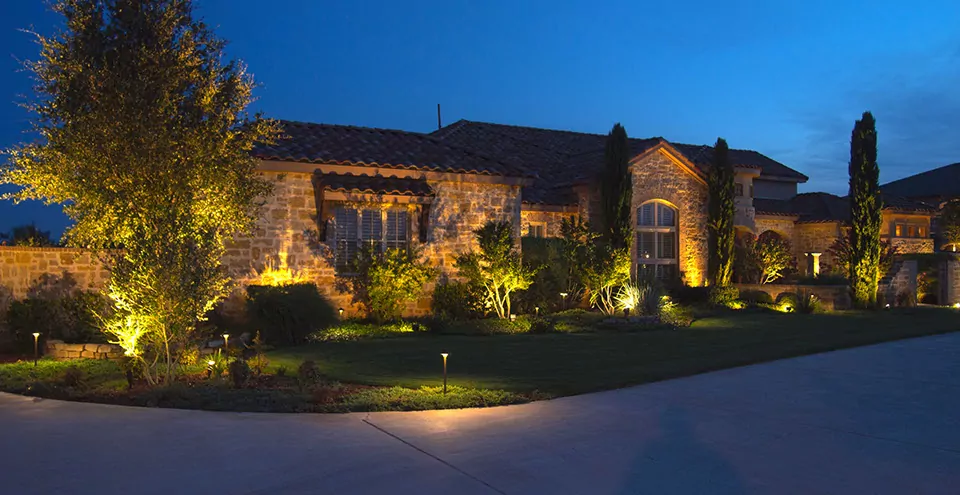
A dark walkway changes how a home feels before anyone reaches the door. Good pathway lighting installation does more than make a front yard look polished; it helps guests spot steps, avoid lawn edges, read the shape of the entry, and feel welcome instead of cautious. Across U.S. neighborhoods, from ranch homes in Texas suburbs to narrow craftsman lots in Portland, lighting often decides whether a yard feels finished or forgotten after sunset. The best approach is not to flood the front walk with bright fixtures. That can make a yard feel flat, harsh, and oddly commercial. A better plan uses measured spacing, protected wiring, warm light, and smart fixture placement that respects the house. Homeowners looking for smart exterior upgrades can also explore practical property improvement ideas that connect curb appeal with safer everyday living. The goal is simple: guide people clearly, protect the landscape, and make the front of the home feel cared for without turning it into a runway.
Start With the Way People Actually Move Through the Yard
A front path is not a design sketch. It is a daily route with turns, habits, shortcuts, delivery drivers, kids with backpacks, and visitors who have never seen the property before. Lighting works best when it follows that real movement instead of copying a showroom layout.
Why Front Yard Lighting Should Follow Footsteps, Not Symmetry
Many homeowners space lights like fence posts because it looks neat in the box diagram. The result can feel stiff. A straight row of equal lights on both sides of a walkway often creates a landing-strip effect, especially on short suburban paths.
Front yard lighting should respond to where people need help seeing. A bend in the walkway needs more attention than a long, flat stretch. A single step near the porch matters more than a perfectly centered fixture in a flower bed.
A real example is a split walkway where one branch goes to the driveway and the other goes to the porch. The mistake is lighting only the main path. Guests arriving from the street may be fine, but the homeowner coming from the garage still crosses a dark patch near the shrubs.
The better choice is to mark decision points. Light the fork, the step, the edge near the planting bed, and the final approach to the door. That gives people confidence without wasting fixtures.
How Low Voltage Landscape Lights Fit Most U.S. Homes
Low voltage landscape lights are popular because they suit many residential yards without the same risk and cost level as full line-voltage fixtures. They usually run from a transformer, which lowers household voltage for outdoor lighting use.
That does not mean you can treat the system casually. The transformer still needs a safe power source, outdoor-rated parts, and a layout that does not invite damage from mowers, edging tools, pets, or water pooling near wire runs.
In many U.S. homes, low voltage landscape lights work well along mulch beds, curved concrete walks, paver paths, and short approaches from the driveway. They are easier to adjust if you later add plants, widen the walkway, or change the front bed.
The counterintuitive part is that lower voltage does not give permission to overdo the design. Too many fixtures can make a modest front yard look busy. Fewer lights, placed with intent, often feel more expensive.
Choose Fixtures That Solve Real Problems Before They Decorate
Pretty fixtures can still fail the yard. A light that glares into someone’s eyes, tips over in soft soil, or shines into a bedroom window is not doing its job. The strongest designs begin with problems first and style second.
Which Walkway Lighting Ideas Work Without Creating Glare?
The best walkway lighting ideas usually aim light downward and outward, not straight into the face of the person walking. Path lights with caps, shields, or louvers help spread light across the walking surface while keeping the bulb hidden.
Glare is one of the fastest ways to make an entry feel cheap. A bright exposed lamp may seem safer from the porch, but at eye level it can make steps and edges harder to read. Your eyes fight the fixture instead of reading the ground.
A good test is simple. Stand at the curb, then walk toward the door at night. If your eyes keep catching the bulb instead of the path, the fixture is wrong, too tall, too bright, or aimed poorly.
Warmer light often works better for homes than cold white light. It makes brick, stone, siding, mulch, and plants look more natural. Cold light can make a front yard feel like a parking lot, even when the fixture is expensive.
Why Outdoor Lighting Safety Starts With Fixture Ratings
Outdoor lighting safety begins before anything goes into the ground. Fixtures, connectors, transformers, timers, and receptacles must be rated for outdoor use. Indoor parts may look similar, but weather finds weak spots fast.
Rain, irrigation spray, freeze-thaw cycles, soil movement, and summer heat all punish outdoor materials. A fixture that survives one dry month may fail after the first hard storm. That failure can mean flickering, corrosion, tripped outlets, or dead zones along the path.
Line-voltage work deserves extra caution. If a project requires new outdoor outlets, buried conduit, hardwired fixtures, or changes at the panel, a licensed electrician is the smart move. Local code rules can vary by city, county, and state.
For a trustworthy safety reference, homeowners can review guidance from the Electrical Safety Foundation International before buying parts or planning electrical work. It is better to slow down at the planning stage than repair a wet, failing system later.
Plan the Layout Like a Nighttime Experience, Not a Shopping List
The yard does not need more products. It needs a clear path, calmer edges, and a front door that feels easy to find. A careful lighting plan can make a small house look more settled and a large home feel less cold.
How Spacing Changes the Mood of the Entry
Spacing shapes mood more than fixture style. Lights placed too close together create bright dots that pull the eye away from the house. Lights placed too far apart can leave broken shadows where ankles, steps, and path edges disappear.
For many front walks, staggered placement looks more natural than matching pairs. Put one light on the left, then the next on the right farther ahead. This guides the eye without making the yard feel rigid.
A long walkway may need a softer rhythm. A short path may need only a few strong points: near the sidewalk, near a turn, near a step, and near the porch. The shape of the route should decide the count.
One overlooked trick is to leave some darkness. Total brightness kills depth. Small shadows under shrubs, along stone borders, or behind planters can make the home look layered instead of washed out.
Where Walkway Lighting Ideas Meet Planting Beds
Walkway lighting ideas work better when they respect plants. A fixture that looks perfect in March may vanish behind ornamental grass by August. A light too close to a shrub can throw strange shadows across the walk.
Plan with plant growth in mind. Place fixtures where stems, mulch, and seasonal flowers will not block the beam. In colder states, think about snow piles near walkways and driveways too. A low fixture can disappear under winter slush.
A California bungalow with drought-tolerant planting needs a different layout than a New Jersey colonial with boxwoods and annuals. The first may need soft light across gravel and stone. The second may need careful fixture height to clear dense evergreen edges.
This is where homeowners often overspend. They buy decorative fixtures before checking how the beam lands. A simple fixture in the right place beats a designer light hidden behind a plant.
Install With Weather, Maintenance, and Daily Use in Mind
A front yard lighting system lives outside all year. It must handle rain, heat, insects, sprinklers, kids, pets, lawn tools, and the slow movement of soil. Looks matter, but survival matters longer.
How to Protect Wiring From Normal Yard Abuse
Wire placement should match how the yard gets maintained. If the lawn crew edges along the walkway every week, wires near that border need extra thought. A shallow wire in the wrong place can get sliced before the first season ends.
Low-voltage cable is often buried shallow compared with other electrical runs, but it still needs protection from blades, roots, and foot traffic. Keep it away from sharp stones, metal edging, and spots where water collects after storms.
Connections deserve special care. Weak connectors are a common failure point because they sit near moisture and soil. Use outdoor-rated connectors made for the system, and avoid quick fixes that depend on tape alone.
A smart homeowner takes photos before covering wire routes. Months later, those photos help when adding plants, repairing a fixture, or troubleshooting a dark section. Memory fades fast once mulch goes down.
Why Outdoor Lighting Safety Depends on Power Control
Outdoor lighting safety is not only about wires and fixtures. It also depends on how the system turns on, shuts off, and responds to wet conditions. A timer, photocell, or smart control can help keep the lights consistent without wasting energy.
GFCI protection matters around exterior power. Outdoor receptacles should be weather-rated and protected as required by local code. Covers, boxes, and plugs need to suit outdoor conditions, not indoor convenience.
Smart controls can be useful, but they should not become the weak link. A front path should not go dark because a Wi-Fi signal drops or an app setting changes after an update. Manual override options still matter.
The unexpected lesson is that simple systems often last longer. A solid transformer, clean wiring, shielded fixtures, and a reliable timer can outperform a complicated setup that needs constant attention.
Bring Curb Appeal Into Balance With Safety
Good exterior lighting should make the home feel easy to approach without shouting for attention. Safety gives the layout purpose. Curb appeal gives it warmth. When one side dominates, the design feels off.
How Front Yard Lighting Shapes First Impressions
Front yard lighting changes how people judge a home before they notice the paint color or landscaping. A softly marked path suggests care. A dark entry suggests neglect, even when the house is well maintained during the day.
The front door should be the visual anchor. Path lights guide people toward it, but porch lighting, step lighting, and nearby accent lights should support that destination. If the brightest point is a random shrub, the yard feels confused.
A practical example is a brick walkway leading to a navy front door. Warm path lights along the planting edge can pull out the red tones in the brick while a porch lantern finishes the route. The house feels intentional, not staged.
Curb appeal also helps resale. Buyers touring at dusk or checking listings online notice outdoor lighting fast. They may not name it, but they feel the difference between “nice yard” and “this home feels safe.”
When to Stop Adding More Light
More light can make a yard worse. Too much brightness flattens texture, annoys neighbors, and steals attention from the home’s best features. The goal is guidance, not exposure.
A good front yard has layers. Path lights handle walking surfaces. Porch lights identify the entry. Accent lights may touch one tree, column, or stone wall. Each layer should have a reason.
Neighbors matter too. Avoid aiming lights across property lines, into windows, or toward the street where drivers may catch glare. A beautiful setup that bothers the next house is not a win.
The best finish is restraint. Walk the property after dark, remove one fixture from the plan, and see if anything gets worse. Often, nothing does. That missing light may be the thing that makes the design feel calm.
Conclusion
A safer and better-looking front yard does not come from buying the brightest kit on the shelf. It comes from reading the property after dark, noticing where people hesitate, and placing light where it solves a real problem. Pathway lighting installation should feel almost invisible when it is done well. Guests move with ease. The porch feels closer. Steps become clear. Plants keep their shape. The house looks cared for without begging for attention. That balance is what separates a polished entry from a yard full of glowing stakes. Start with the walk, the door, the power source, and the places where shadows create risk. Then choose fixtures that serve those needs with quiet confidence. Before you install anything permanent, test the layout at night with temporary placement and adjust until the path feels natural. Build the system for real weather, real people, and real daily use, and your front yard will keep working long after the first compliments fade.
Frequently Asked Questions
How far apart should front yard pathway lights be?
Most homes look better with lights spaced about 6 to 10 feet apart, but the path shape matters more than a fixed number. Place fixtures closer near steps, curves, and uneven areas, then spread them farther on flat, open sections.
Are low voltage lights safe for front yard walkways?
Low-voltage systems are often a good choice for residential walkways when outdoor-rated parts are installed correctly. The transformer, connectors, fixtures, and power source still need weather protection. Hire an electrician if the project needs new wiring or outlet work.
What color temperature is best for pathway lights?
Warm white light, often around 2700K to 3000K, usually works best for homes. It makes brick, stone, plants, and siding look natural. Cooler light can feel harsh and may make a front yard look more like a commercial space.
Should pathway lights be on both sides of the walkway?
Both sides are not always needed. Staggering lights from side to side often looks more natural and prevents the runway effect. Use paired lights only when the path is wide, formal, or has a design feature that benefits from symmetry.
Can pathway lights improve home curb appeal at night?
Good lighting can make the front entry feel cleaner, safer, and more finished after sunset. It highlights the walkway, supports the porch, and helps the home feel welcoming from the street without requiring major landscaping changes.
Do solar pathway lights work well for front yards?
Solar lights can work in sunny areas with clear exposure, but they may struggle under trees, near north-facing paths, or during cloudy seasons. They are easy to place, but wired low-voltage lights usually offer stronger and more reliable performance.
How do I stop pathway lights from shining into windows?
Use shielded fixtures, aim beams downward, and keep lights away from direct window sightlines. Test the setup from inside the house at night before final placement. Lower brightness often solves glare problems faster than moving every fixture.
When should I hire an electrician for outdoor lighting?
Call an electrician if you need new outlets, line-voltage fixtures, buried conduit, panel changes, or code guidance. Low-voltage kits can be homeowner-friendly, but any work tied to household wiring deserves professional handling for safety and compliance.