
 By PRN Michael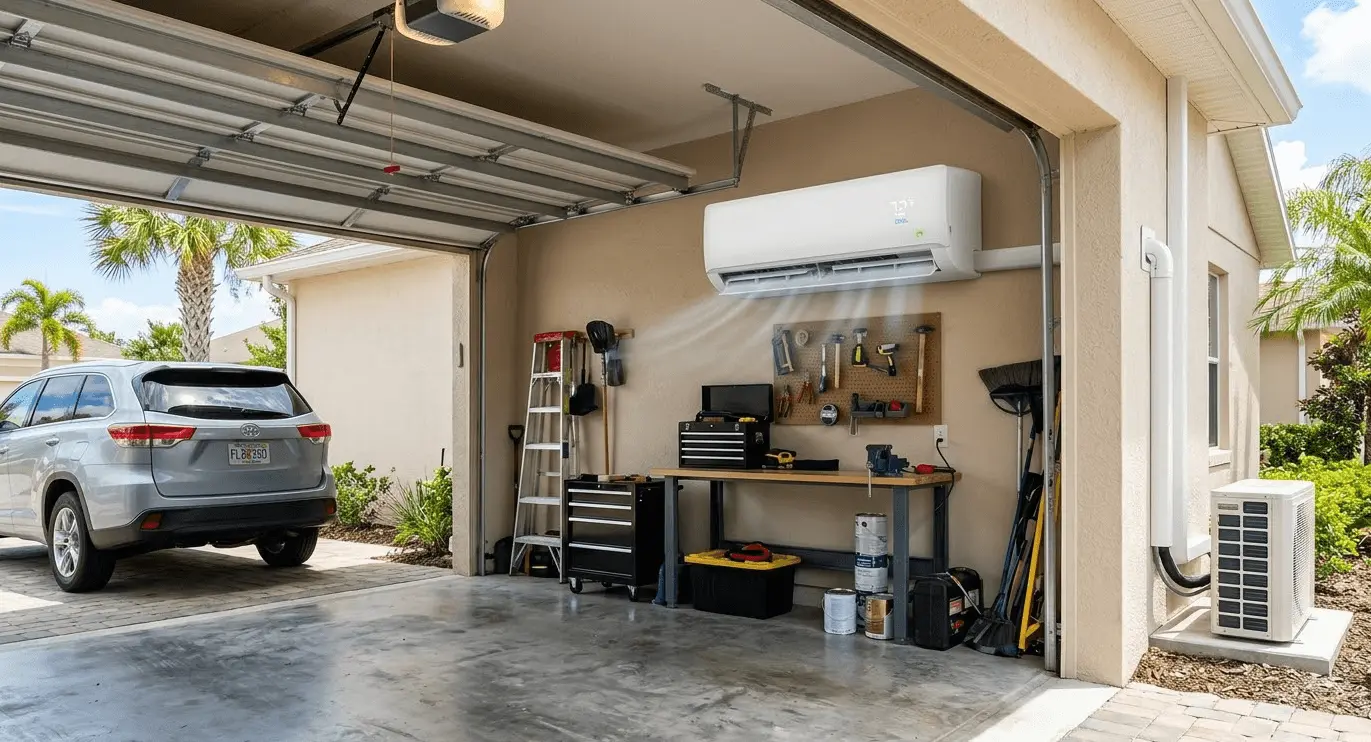
A garage that feels fine in October can turn miserable once winter wind hits the door, the slab gets cold, and every tool handle feels like it came out of a freezer. That is why garage ceiling insulation matters for homeowners who want a work area that holds heat, blocks summer gain, and protects projects from wild temperature swings. For many Americans, the garage has become more than storage. It is a repair bay, hobby room, small woodworking zone, gym corner, or weekend project space. A better ceiling system helps that room act less like a drafty shell and more like part of the home. Good planning also matters because panels, moisture control, lighting, garage door movement, and fire safety all meet above your head. Before buying materials, think through the space the same way you would plan any serious home improvement project strategy: comfort, safety, access, and long-term use all have to work together.
Garage Ceiling Insulation That Controls Heat Before It Escapes
The ceiling is often the biggest quiet thief in a workshop garage. Walls get attention because you can see them, but heat rises, air leaks upward, and an unfinished ceiling lets conditioned air slip into attic space or unheated framing bays. A smart ceiling plan does not start with the thickest product on the shelf. It starts with how your garage loses comfort in the first place.
How Thermal Gaps Turn a Garage Into an Outdoor Room
A cold garage ceiling does more than make the room chilly. It creates uneven comfort, especially when you use a portable heater near the floor. The air near your shoulders may feel decent, while the space above you keeps pulling warmth away. That is why many homeowners keep raising the thermostat or running a heater longer than needed.
The same problem shows up in summer, only backward. A sun-baked attic or roof cavity can push heat downward for hours after sunset. In places like Texas, Georgia, Arizona, or inland California, that stored heat can turn a garage into a stale box right when you want to work after dinner.
Garage heat loss becomes more obvious when you stand under open framing on a windy day. You may not feel a direct breeze, but the room never settles. Small seams around top plates, ceiling penetrations, pull-down stairs, and electrical boxes let warm air move where it should not. Panels help, but air control has to come first.
Why Panel Choice Matters More Than Thickness Alone
Many people shop by R-value and stop thinking. That can be a costly mistake. The best panel for a detached garage in Minnesota may not be the right choice for an attached garage in Florida. Climate, ceiling height, access needs, moisture exposure, and local code all shape the decision.
Rigid foam, mineral wool panels, fiberglass-faced products, and finished insulated systems each have different strengths. Foam can perform well in tight spaces, but exposed foam often needs an approved thermal barrier. Mineral wool handles heat and sound better, though it can weigh more and cost more. Fiberglass systems may be familiar, but they need careful fitting to avoid gaps.
The counterintuitive part is simple: a neat, moderate-R ceiling often beats a thick, sloppy one. One crooked cut around a light box can leak enough air to weaken the whole assembly. If your goal is a stable workspace, the panel must fit the ceiling, not the other way around.
Plan the Ceiling Like a Work Surface, Not an Attic
A garage ceiling is not an empty lid. It carries lights, door tracks, openers, wiring, storage hooks, attic access, and sometimes plumbing or HVAC runs. Treating it like a flat blank surface creates problems halfway through the job. Better planning keeps the installation cleaner and reduces the odds that you have to cut apart finished work later.
Finding Joists, Doors, Lights, and Unsafe Shortcuts
Start by mapping the ceiling before materials enter the garage. Mark joist direction, spacing, opener brackets, light locations, junction boxes, and any attic hatch. A pencil layout on the ceiling can save an afternoon of guesswork. It also helps you see where panels need full support and where cuts will be narrow.
Workshop ceiling panels should never block access to electrical junction boxes. They also should not interfere with garage door tracks, torsion springs, opener rails, or safety sensors. A ceiling may look open from the floor, but the door needs its full travel path. Measure with the door open and closed before you commit.
Unsafe shortcuts usually look harmless at first. Covering old wiring, sandwiching panels around heat-producing fixtures, or fastening into drywall without finding framing can all create trouble. A small garage in Ohio or Pennsylvania may seem forgiving, but freeze-thaw movement, vibration from doors, and seasonal humidity will test every weak choice.
Where Air Sealing Saves More Than Another Inch of Material
Air sealing is not glamorous, but it changes everything. Seal gaps at the top plates, around wire penetrations, near pipe openings, and around ceiling boxes before the panels go up. This step is easy to skip because it disappears behind the finished surface. That hidden work is often what decides whether the room feels steady.
Use compatible sealants and fire-rated materials where required. Gaps between an attached garage and living space deserve extra care because garages can contain fumes, dust, and combustion byproducts. The ceiling assembly should support comfort without weakening the safety separation between the garage and the house.
A California homeowner using the garage as a ceramic studio faces a different issue than a Michigan homeowner using it for snowblower repairs. One needs heat control and dust management. The other needs winter comfort and condensation control. The ceiling plan should answer the actual room, not some generic version of a garage.
Installing Panels Without Trapping Moisture or Creating Fire Risks
Good installation has a quiet kind of discipline. The panels need tight edges, solid fastening, clean cuts, safe clearances, and the right surface treatment. Rushing this stage can create moisture pockets, sagging seams, or code problems that are harder to fix once the ceiling is closed.
When a Ceiling Vapor Barrier Helps and When It Hurts
A ceiling vapor barrier can be useful in the right climate and risky in the wrong assembly. Cold regions often need more attention to indoor moisture moving into cold cavities. Hot, humid regions may need a different approach because moisture can drive from outside toward a cooled interior. The wrong layer in the wrong place can trap dampness instead of controlling it.
Local code and climate zone matter here. In many U.S. homes, attached garages already have fire separation rules that affect what can be exposed on the ceiling. If foam panels are part of the system, ask whether they need drywall, ignition protection, or another approved covering. Comfort is not worth creating a ceiling that fails inspection or puts the home at risk.
Moisture trouble often starts small. A panel edge near a roof leak, a humid corner above a laundry connection, or a poorly vented garage can lead to staining, odor, and hidden decay. The ceiling should manage temperature without sealing a problem where you cannot see it.
Safe Fastening Around Openings, Fixtures, and Garage Doors
Fasteners need real structure. Panels attached only to old drywall faces can loosen over time, especially near garage doors where vibration repeats every day. Use the manufacturer’s fastening pattern, hit framing when required, and avoid crushing the panel surface. Tight does not mean smashed.
Fixtures need breathing room and proper boxes. Recessed lights, heaters, garage door opener outlets, and attic access panels all need clean detailing. Do not bury service points. Future you will not be impressed when a failed outlet requires cutting through finished ceiling material.
The practical move is to build service access into the design. Removable trim around an attic hatch, clean cutouts at lights, and labeled shutoff areas can make the finished ceiling feel planned. That matters when you are balancing a ladder, a drill, and a Saturday that already got too long.
Turning the Finished Ceiling Into a Comfortable Work Zone
Panels are not the finish line. They change how the garage behaves, which means heating, cooling, lighting, and airflow may need adjustment afterward. The best result is not a sealed cave. It is a work zone that holds temperature, clears stale air, and supports the way you actually use the space.
Tuning Heat, AC, and Ventilation After the Panels Go Up
A temperature controlled workshop needs controlled air, not trapped air. After the ceiling is improved, a small heater or mini-split may work better because the room is no longer bleeding energy upward. That can reduce run time and make comfort feel smoother. Still, any fuel-burning heater needs proper ventilation and clearance.
Ventilation matters for real garage work. Paint, stain, sawdust, adhesives, gasoline, and cleaning products should not linger. Insulation helps comfort, but it does not make fumes safer. Add exhaust, filtration, or fresh-air planning based on what you do in the space.
A homeowner in Colorado who repairs bikes may need little more than heat retention and bright lighting. Someone in North Carolina doing weekend cabinet refinishing needs moisture control and air movement. The ceiling helps both people, but it does not replace the rest of the room plan.
Finishing Details That Make Maintenance Easier
Finished ceilings should still be serviceable. Choose panel layouts that line up cleanly with joists and leave logical access points where repairs may happen. A perfect-looking ceiling that blocks every future fix is not a win. It is a bill waiting for its moment.
Garage heat loss can drop after the ceiling is tightened, but comfort also depends on the garage door, slab edge, wall gaps, and weatherstripping. This is where homeowners sometimes get surprised. They fix the ceiling and then notice the door leaks more because the biggest remaining weakness becomes easier to feel.
Workshop ceiling panels also affect sound. A tighter ceiling can make tools feel less harsh, especially when paired with wall storage, rubber floor mats, or acoustic-minded finishes. That may not be why you start the project, but it is often one of the first benefits you notice when the room stops echoing like a bare box.
Conclusion
A better garage ceiling changes the way the whole room behaves. It gives your heater a fair chance in January, slows roof heat in July, and makes long project sessions feel less like a fight against the building. The mistake is treating the job as a quick cover-up. Panels only perform well when the ceiling is mapped, sealed, fastened, protected, and finished with maintenance in mind.
Garage ceiling insulation should be part of a full workshop plan, not a random weekend upgrade. Look at the garage door, lights, wiring, moisture paths, attic access, and safety rules before the first panel goes up. That extra thinking protects the work and saves you from ugly repairs later.
Start with one careful inspection of the ceiling you already have, then choose the panel system that fits your climate, your code needs, and your daily use. Build it once, build it clean, and let the garage finally earn its place as real working space.
Frequently Asked Questions
What is the best insulation panel for a garage ceiling workshop?
The best choice depends on climate, budget, fire rules, and ceiling access. Rigid foam, mineral wool, and fiberglass-faced panels can all work when installed correctly. Attached garages often need approved fire protection, so check local code before leaving any panel exposed.
How much does it cost to install insulated garage ceiling panels?
Most U.S. homeowners spend more when the ceiling has lights, attic access, garage door hardware, or damaged drywall. Material choice also changes the price. A simple detached garage costs less than an attached garage needing fire-rated finishing and careful air sealing.
Can I install garage ceiling panels myself?
A skilled DIY homeowner can handle many panel installs, especially in a detached garage with simple framing. Electrical boxes, fire-rated ceilings, moisture problems, and overhead door clearance can complicate the job. Hire a pro if safety or code details feel uncertain.
Do workshop ceiling panels help with summer heat?
Yes, they can reduce heat transfer from a hot attic or roof cavity into the garage. They work best when paired with air sealing, roof ventilation, and a garage door that does not leak heat. Cooling improves most when the whole shell works together.
Should I add a ceiling vapor barrier in an attached garage?
It depends on your climate zone, ceiling assembly, and local code. A ceiling vapor barrier can help in some cold regions, but it can trap moisture in the wrong setup. Ask a local insulation contractor or building department before closing the ceiling.
How do I stop garage heat loss through the ceiling?
Seal air gaps first, then add properly fitted panels with tight seams and safe clearances. Pay attention to attic hatches, top plates, light boxes, and wiring holes. After that, check the garage door and weatherstripping because they often become the next weak point.
Will insulated ceiling panels make my garage quieter?
They can reduce echo and soften tool noise, especially when paired with finished walls, mats, cabinets, or storage. Mineral wool usually performs better for sound than many foam products. The improvement depends on how much hard, bare surface remains in the room.
Do insulated panels need drywall over them in a garage?
Many foam products need drywall or another approved thermal barrier, especially in attached garages. Rules vary by product, location, and ceiling type. Never assume exposed foam is acceptable because fire separation between a garage and living space is taken seriously in U.S. building codes.