
 By PRN Michael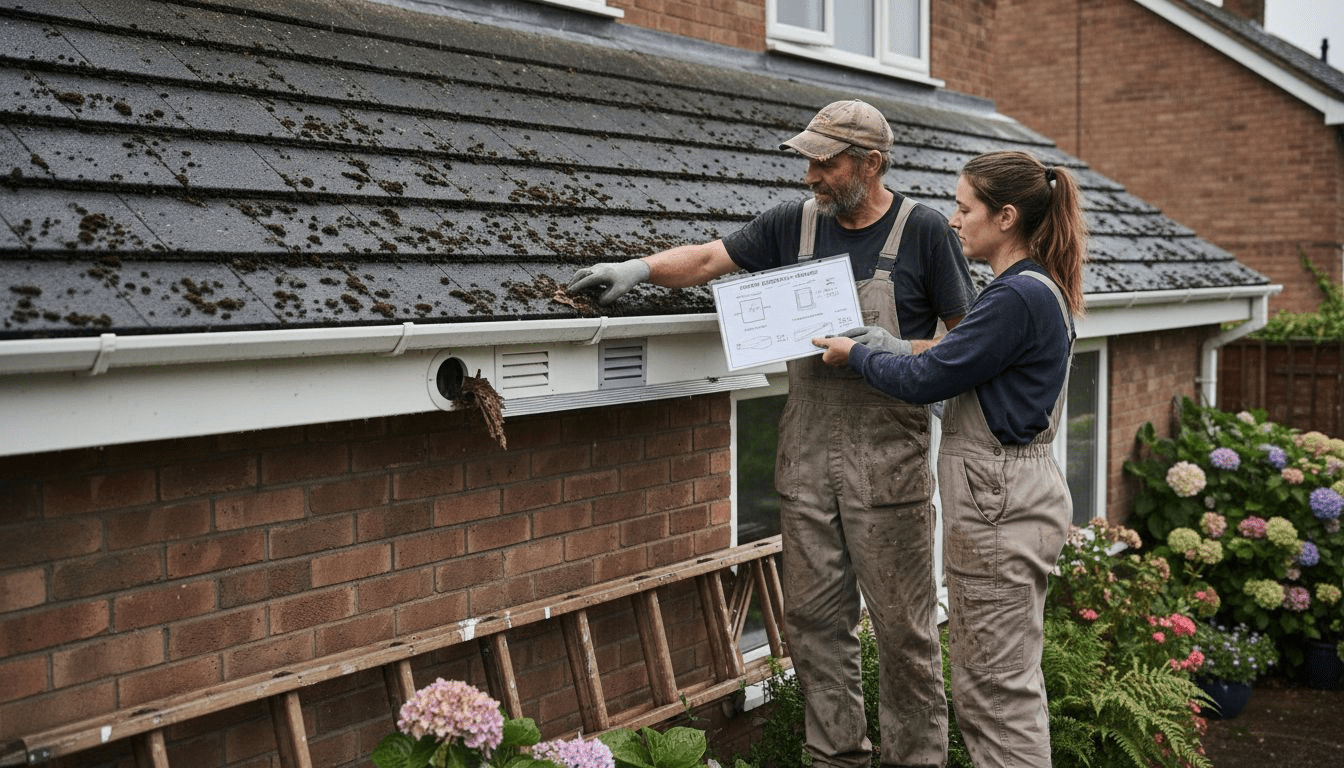
A roof can look perfect from the curb and still be quietly fighting itself from underneath. That hidden trouble often starts where most homeowners rarely look, along the narrow underside of the eaves where fresh air should enter the attic. When soffit vent blockage cuts off that intake, heat and moisture stop moving the way they should, and the whole roof system begins working harder than it was built to.
For many American homes, the first warning does not look dramatic. It may show up as a hotter second floor in July, a musty attic smell after rain, or roof decking that ages faster than expected. Good home maintenance guidance matters here because roof ventilation is not a decorative detail. It is one of those quiet systems that protects shingles, insulation, framing, and indoor comfort every day.
The tricky part is that blocked soffit vents often hide behind paint, insulation, dust, pests, or old repair choices. Clearing them takes more than poking at a few holes from the outside. You need to understand what stopped the airflow, how deep the blockage runs, and whether your attic has a proper path for air to move from the eaves to the roof exhaust.
Why Blocked Soffits Create Bigger Roof Problems Than Homeowners Expect
Soffits sit low on the roof edge, so people tend to treat them like trim. That thinking causes expensive mistakes. In a balanced attic, air enters through roof intake vents at the eaves, moves beneath the roof deck, and exits near the ridge or upper roof area. When the low intake side fails, the high exhaust side cannot pull steady replacement air.
How attic airflow loses balance
Warm air naturally rises, but it still needs a clean entry point before it can leave properly. If the eaves are sealed by dust, paint, insulation, or debris, the attic starts drawing air from wherever it can. Sometimes that means conditioned indoor air leaks through ceiling gaps around lights, bathroom fans, attic hatches, or plumbing openings.
That shift can cost you comfort. A ranch house in Ohio, for example, may have ridge vents that look fine from outside, yet the attic stays hot because the intake path is choked near the eaves. The homeowner might blame the shingles or the air conditioner, while the actual problem sits behind a painted aluminum soffit panel.
Blocked soffit vents can also create uneven roof temperatures. One side of the attic may breathe while another side traps heat. That uneven pattern can age shingles in odd patches, dry out roof materials faster, and make repair decisions confusing because the damage does not appear across the whole roof at once.
Why moisture becomes the silent enemy
Moisture does not need a roof leak to cause trouble. Daily living sends water vapor upward from showers, cooking, laundry, and humid indoor air. In winter states like Michigan, Pennsylvania, and Minnesota, that vapor can meet a cold roof deck and turn into frost or condensation when attic ventilation problems slow down drying.
The damage often starts softly. You may see dark stains on roof sheathing, damp insulation near the eaves, or a stale smell when you open the attic hatch. None of that feels urgent at first, which is why homeowners sometimes wait until mold, peeling paint, or sagging insulation makes the issue harder to ignore.
The counterintuitive part is that adding more exhaust vents does not always help. If the intake side is blocked, extra roof exhaust can pull even more indoor air into the attic instead of fresh outdoor air. That can make moisture worse, not better. Roof ventilation only works when intake and exhaust cooperate.
Common Causes Hiding Along the Eaves
Most blockages come from ordinary home history, not one dramatic failure. A painter covers a perforated panel. A previous owner blows loose insulation too far into the eaves. Leaves collect behind a screen. A bird finds a protected corner. Small choices pile up until the attic no longer breathes the way it should.
Paint, dust, and old exterior repairs
Paint is one of the sneakiest causes because it can make a vented soffit look clean while sealing the holes. This often happens on older wood soffits with small round vents or continuous metal strips. A few coats over the years can close the openings enough to weaken airflow across an entire roof edge.
Dust and road grime create a slower version of the same problem. Homes near busy streets, farms, construction zones, or dry climates may collect fine particles in vent screens. The vent still appears open from the ground, but the mesh may be packed enough to restrict air. Clear soffit vents do not always look shiny or new; they simply need open pathways.
Repairs can cause trouble too. A contractor replacing fascia boards may install solid soffit material where vented material once existed. A homeowner may cover old openings to keep insects out without adding another intake source. Those choices may solve one visible concern while creating a hidden airflow problem that grows for years.
Insulation pushed too far into the eaves
Attic insulation helps your home, but only when it stays out of the air channel. Loose-fill fiberglass or cellulose can drift toward the roof edge over time, especially after someone stores boxes, steps through the attic, or adds insulation without installing baffles. Once insulation touches the underside of the roof deck near the eaves, airflow narrows or stops.
This problem shows up often after energy upgrades. A homeowner in Colorado may add attic insulation to lower winter heating bills, then notice summer attic heat getting worse because the installer buried the intake path. The insulation itself is not the villain. The missing air channel is.
Rafter baffles, sometimes called vent chutes, help protect that channel. They sit between rafters near the eaves and keep insulation from blocking air movement. The key is placement. A baffle that stops too short or sits crushed against insulation gives the appearance of a fix without restoring airflow where the roof needs it.
How to Inspect the Vent Path Before You Start Clearing Anything
Good clearing begins with diagnosis. Guessing can damage soffit panels, disturb insulation, or miss the real restriction. You want to inspect from outside and inside because a vent can be open at the face and blocked behind it. The outside tells you what air could enter. The attic tells you whether that air has somewhere to go.
What to check from the ground and ladder
Start with a slow walk around the house during daylight. Look for painted-over perforations, sagging soffit panels, loose screens, wasp nests, bird debris, and areas where vines or leaves press against the eaves. Pay attention to differences between sides of the house. North-facing eaves may collect moisture and organic debris, while shaded areas may hide insect activity longer.
A ladder inspection gives a better view, but safety matters more than curiosity. Use stable footing, avoid wet ground, and do not pry at panels while stretching sideways. If a section looks damaged or high above a slope, bring in a roofing or exterior contractor. Falling from a ladder is a poor trade for saving a service call.
A shop vacuum with a soft brush can remove surface dust from accessible vent strips. For stubborn buildup, a gentle brush works better than pressure washing. High-pressure water can push moisture into the soffit cavity, loosen paint, or drive debris deeper into the vent path. Gentle cleaning wins here.
What the attic reveals about the real blockage
The attic gives the honest answer. On a bright day, you may see light at the eaves where air can enter. No light does not always mean failure, but it gives you a clue. Use a flashlight to inspect the lower roof edges, especially where insulation meets the roof deck. Look for compressed insulation, dark damp areas, pest nesting, or missing baffles.
Attic movement should be careful and slow. Step only on framing members or proper walk boards. Ceiling drywall cannot hold body weight, and one wrong step can turn a ventilation check into a ceiling repair. Wear gloves, eye protection, and a good dust mask because attic debris is not friendly stuff.
Here is a useful field test: compare the roof edges. If one eave has baffles and visible channels while another has insulation packed tight against the deck, the problem is not the whole roof design. It is local airflow failure. That distinction helps you avoid buying fixes you do not need.
Safe Ways to Clear and Protect the Vents
Clearing the vents is less about force and more about restoring a clean, protected path. A roof system needs steady airflow, not giant openings. The goal is to remove the blockage, protect the intake from future obstruction, and keep pests out without sealing the vent again.
Removing outside debris without damaging the soffit
Begin outside with dry cleaning when possible. Brush away cobwebs, dust, pollen, and loose debris from perforated panels or vent strips. A vacuum attachment can pull buildup from small holes without bending thin aluminum. If the vent face has thick paint, scraping each hole may help for small areas, but larger sections may need replacement with proper vented material.
Do not rip out screens blindly. Screens keep insects, birds, and rodents from entering the attic, and removing them can create a new problem. If mesh is packed with grime, clean it gently or replace it with a compatible vent screen that allows airflow. Too fine a mesh can clog fast, especially in dusty areas.
Pest material deserves caution. Bird nests, wasp nests, and rodent debris may carry health risks. If you find droppings, chewed materials, or active insects, stop and treat that as a pest-control issue first. Clearing roof intake vents without solving pest access is like mopping a floor while the faucet stays open.
Restoring the attic-side air channel
Inside the attic, pull insulation back from the eaves only as much as needed to reopen the channel. Do not leave bare ceiling areas exposed because that can hurt energy performance. The better fix is to install baffles between rafters so insulation can sit at the proper depth while air still moves above it.
Baffles should extend from the soffit area upward along the roof deck far enough to protect airflow. Staple them carefully, avoid crushing them, and make sure their lower ends connect with the intake opening. A gap between the soffit and the baffle can leave air trapped before it reaches the attic.
This is where many DIY fixes fail. People open the vent face outside, then forget the insulation dam inside. The home still overheats because the airflow path remains blocked behind the first few inches. Soffit vent blockage is a pathway problem, not a surface problem, and the fix must reach both sides.
How to Prevent the Same Blockage From Coming Back
Prevention feels boring until you price roof repairs. A simple annual check can protect shingles, attic insulation, and indoor comfort. The best plan is small, steady maintenance tied to seasons, especially before summer heat and after fall leaves have dropped.
Seasonal habits that keep airflow open
Spring is a good time to inspect for insect activity, storm debris, and loose panels. Fall is better for leaves, seed pods, and nesting material. In snowy regions, also check after winter because ice and wind can push debris into odd places along the eaves.
Trim branches that touch or hang close to the roof edge. They drop leaves, scrape finishes, and give pests a bridge to the soffit. Keep gutters clean too. Overflowing gutters can send water back toward fascia and soffit areas, which encourages rot and makes vent sections easier for pests to damage.
Paint carefully when exterior work is done. Tell painters not to coat vent holes shut, and inspect the work before the job is finished. This small conversation matters. Once paint dries over dozens of tiny openings, cleaning them later becomes slow and annoying.
Knowing when replacement beats cleaning
Some soffit systems are too damaged or poorly designed to rescue with cleaning. Rotten wood, bent aluminum, missing screens, and tiny old vents may not provide enough intake for the roof’s current needs. In that case, replacement with continuous vented soffit panels may be smarter than repeated patchwork.
A contractor can also check whether the attic has enough intake for the exhaust system. A home with ridge vents, gable vents, and random roof vents may look well ventilated but perform poorly if airflow short-circuits. More vent pieces do not equal better movement. Balanced placement matters.
Homeowners often want the cheapest fix first, and that instinct is understandable. Still, paying once for proper vented soffit, baffles, and pest protection can beat years of chasing hot rooms, musty smells, and roof wear. The quiet fix is often the one that saves the most money.
Conclusion
A roof does not fail only from storms, age, or bad shingles. Sometimes it struggles because the air beneath it cannot move. That makes ventilation one of the most practical things a homeowner can check before small attic symptoms turn into expensive repairs.
The smartest approach is not dramatic. Walk the eaves. Look for painted vents, debris, pests, and damaged panels. Check the attic edge for buried intake paths and missing baffles. When soffit vent blockage shows up, clear both the outside face and the hidden channel behind it, or the problem will keep pretending to be fixed.
Your next step is simple: inspect the soffits on a dry day, then check the attic side before you spend money on bigger roof solutions. A roof that breathes well lasts longer, feels better indoors, and gives you fewer surprises when the weather turns hard.
Frequently Asked Questions
What are the first signs of blocked soffit vents?
A hotter upstairs, musty attic odor, damp insulation, roof deck stains, peeling exterior paint near eaves, and uneven shingle aging can all point to blocked intake airflow. The signs often appear slowly, so compare attic conditions during hot, humid, and cold weather.
Can blocked soffit vents cause roof shingles to fail early?
Yes, trapped attic heat can raise roof deck temperatures and add stress to shingles from below. Moisture can also weaken sheathing and fasteners over time. Shingles still age from sun and weather, but poor ventilation can make that aging happen faster.
How often should homeowners clean soffit vents?
Most homes benefit from a visual check twice a year, usually in spring and fall. Homes near trees, farms, dusty roads, or heavy pollen may need more frequent cleaning. The goal is to catch buildup before it blocks airflow across long sections.
Are ridge vents enough without open soffit vents?
No, ridge vents need intake air from lower roof areas to work well. Without open soffit intake, ridge vents may pull air from ceiling leaks instead. That can waste conditioned air and increase attic moisture instead of solving the ventilation issue.
Can attic insulation block soffit airflow?
Yes, loose-fill or batt insulation can slide into the eaves and close the air channel. This often happens after insulation upgrades. Rafter baffles protect the airflow path while still allowing the attic floor to keep its proper insulation coverage.
Is it safe to pressure wash soffit vents?
Pressure washing is risky because it can force water into the soffit cavity, damage screens, loosen paint, or push debris deeper. A soft brush, vacuum attachment, or gentle rinse usually works better. Damaged or clogged panels may need replacement instead.
When should I call a professional for soffit vent cleaning?
Call a professional if the vents are high, damaged, blocked by pests, covered in heavy paint, or inaccessible from the attic. You should also get help if you see mold, wet sheathing, rotten wood, or signs that the whole ventilation system is poorly balanced.
Do all homes need vented soffits?
Many homes with vented attics need low intake vents, but not every roof assembly works the same way. Some homes use different ventilation designs, and certain sealed attic systems are built without soffit intake. Check your attic type before changing vent openings.