
 By PRN Michael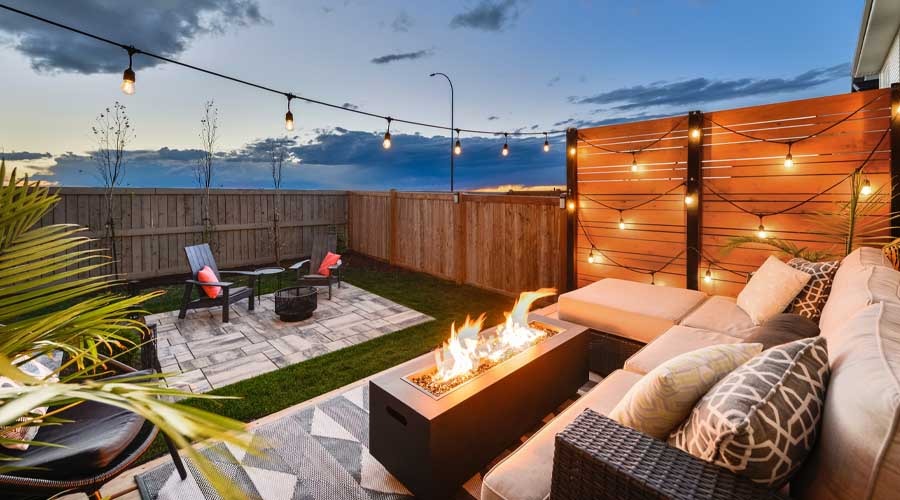
Your patio can feel finished on paper and still feel exposed the minute you sit down with coffee. A patio privacy screen solves that awkward feeling without turning your outdoor space into a boxed-in corner. Across American neighborhoods, from close-set townhomes in Denver to side-yard patios in Dallas, homeowners are using wood and metal to create privacy that looks built-in, not tacked on. The best screens do more than block a view. They shape wind, filter afternoon sun, soften noise, and give the patio a calmer edge. That matters when your fence line sits close to a neighbor’s kitchen window or your backyard faces a busy street. Good outdoor work also depends on smart planning, and resources like home improvement project guidance can help homeowners think through materials, cost, and long-term upkeep before buying the first board or panel. Privacy is not only about hiding. It is about making the space feel like it belongs to you.
Plan the Screen Around Sightlines, Wind, and Daily Use
A privacy screen fails when it only looks good from one angle. The better move is to stand where you actually sit, cook, walk, and talk, then study what feels exposed from those spots. That small step separates a useful screen from a decorative wall that blocks the wrong view.
Measure What People Actually See
Most homeowners measure the patio edge first, but that is not where privacy begins. Privacy begins at eye level. Sit in your regular chair, stand near the grill, and walk out from the back door. From each position, mark the direction where the space feels open or uncomfortable.
A six-foot screen might feel perfect beside a dining table but heavy beside a lounge chair. In many U.S. suburbs, a screen between 48 and 72 inches covers the sightline from nearby windows without making the patio feel fenced in. That range also keeps many projects within local fence and accessory structure limits, though city rules vary.
A strong layout often blocks only one or two key views. Covering every side can trap heat, reduce airflow, and make a small patio feel smaller. The counterintuitive truth is simple: partial privacy often feels better than full enclosure because your eye still has somewhere to go.
Read the Wind Before You Build
Wind can turn a beautiful screen into a noisy sail. This happens often on open lots, raised decks, and patios near alleys where gusts move fast between buildings. A solid panel may block the neighbor’s view, but it can also stress posts during storms.
Outdoor privacy panels with narrow gaps solve that problem better than solid walls in many yards. Horizontal slats, perforated metal, and framed lattice allow air to pass through while still breaking up the view. The screen feels lighter, and the structure handles weather with less strain.
American climates make this choice matter. A patio in Phoenix needs shade and airflow. A patio in Chicago needs strength against winter gusts. A coastal patio in North Carolina needs materials that resist salt air. Privacy works best when it respects the local weather instead of fighting it.
Choose Wood and Metal Materials That Age Well Outside
Material choice decides how the screen looks on day one and how it behaves after three summers. Wood brings warmth and texture. Metal brings strength, crisp lines, and less movement. Used together, they can balance beauty and toughness without making the project look overbuilt.
Best Wood Choices for Warmth and Texture
Cedar remains a favorite because it is lighter than many framing woods, smells good when cut, and handles outdoor exposure with proper sealing. Redwood offers a rich look, though it costs more in many U.S. markets. Pressure-treated pine saves money, but it needs time to dry before staining and can twist if you buy poor boards.
Wood works best when you accept that it moves. Boards expand, shrink, and cup as moisture changes. Leave small gaps between slats, pre-drill near board ends, and seal cut edges before installation. These small habits prevent the screen from looking tired after one season.
A backyard privacy screen made from vertical cedar boards can suit a craftsman home in Oregon, while thinner horizontal pine slats may fit a newer patio in Georgia. The style should match the house, not chase a showroom photo. When the screen echoes the trim, deck, or fence, it feels intentional.
Where Metal Adds Strength Without Looking Cold
Metal earns its place where wood alone may sag or warp. Powder-coated steel posts, aluminum frames, galvanized brackets, and corrugated panels all create stability. Aluminum works well in wet regions because it resists rust, while steel feels stronger but needs better coating protection.
A wood and metal screen often looks best when one material leads and the other supports. For example, black metal posts can frame cedar slats without stealing attention. A steel panel can sit inside a wood frame for a cleaner patio wall. Mixing both materials equally can look busy unless the design stays simple.
Patio enclosure ideas sometimes go too far by turning a relaxed outdoor zone into a hard-edged room. Metal should sharpen the design, not make it feel like a security barrier. Rounded post caps, warm stain colors, and planted edges help soften the structure so it still feels residential.
Build a Strong Frame Before Adding Any Panels
The frame is the part nobody admires until the screen leans. Posts, anchors, fasteners, and spacing decide whether the project feels solid through storms, heat, and seasonal movement. A good screen starts below the surface, not at the first pretty board.
Set Posts for the Surface You Have
Concrete patios need anchors rated for outdoor structural use. A post base mounted into weak, cracked concrete may loosen faster than expected. If the slab is thin or damaged, independent footings beside the patio may be safer than relying on the surface.
Ground-set posts need proper depth. In colder states, frost depth can push shallow posts out of alignment. In warmer areas, drainage matters more because wet soil can rot wood posts near the base. Gravel at the bottom of the hole and proper concrete shaping help water move away.
Privacy screen installation also depends on spacing. Posts set too far apart invite sagging, rattling, and panel movement. Six-foot spacing often works for many slatted wood designs, but heavy metal panels or high-wind sites may need tighter support. The safest choice comes from matching post spacing to panel weight and local conditions.
Fasteners Decide How Long the Screen Stays Clean
Cheap screws show up later as rust stains, snapped heads, and loose boards. Exterior-rated screws, stainless hardware, galvanized brackets, and coated structural fasteners cost more at checkout, but they protect the finished look. Nobody wants orange streaks running down fresh cedar.
Fastener choice should match the materials. Pressure-treated lumber can corrode the wrong metal faster than expected. Cedar and redwood can react with certain fasteners and leave dark marks. Stainless steel often costs more, but it earns its keep on visible surfaces.
Outdoor privacy panels need room to move. Do not clamp every board so tightly that moisture has no escape route. Small gaps behind boards, spacers between slats, and drainage at bottom edges keep the screen dry enough to age with grace. Tight construction can look clean at first, then rot from the inside.
Finish the Screen So It Looks Designed, Not Added Later
The final layer controls how the screen fits the patio. Color, spacing, plants, lighting, and trim can make a simple project look custom. This is where many homeowners either win big or make the screen look like leftover fencing.
Use Color to Connect the Screen to the House
A screen should borrow cues from the home’s exterior. If your house has black window trim, black metal posts can tie the patio together. If the deck uses warm brown stain, matching the screen tone can make the yard feel calmer. Repeating one exterior color is often enough.
Contrast can work, but it needs restraint. A charcoal frame with natural cedar slats looks sharp on modern homes. White-painted wood can suit coastal patios, but it shows dirt faster near grills and garden beds. Clear stain highlights grain, while semi-transparent stain gives better color control.
A backyard privacy screen should not compete with the furniture, planters, and house siding. One strong visual idea beats five small ones. The screen can be the quiet background that makes everything else feel better.
Soften Hard Edges With Plants and Light
Plants can turn a privacy structure into a patio feature. Tall grasses, climbing jasmine, planter boxes, and narrow evergreens help break up straight lines. In many American backyards, that planted edge makes the difference between “new wall” and “finished outdoor room.”
Lighting adds another layer. Low-voltage fixtures, warm string lights, or small downlights mounted near posts can make the screen feel inviting after sunset. Keep wiring safe, weather-rated, and tucked away from screw paths. Outdoor electricity deserves respect, even on a small project.
Patio enclosure ideas often focus on walls, but comfort comes from layers. A screen, a planter, a chair, and a soft light can do more than a taller barrier. Privacy feels natural when the space gives the eye something pleasant to rest on.
Conclusion
The best outdoor screens do not shout for attention. They quietly fix the one thing that keeps a patio from feeling settled. Wood adds warmth, metal adds discipline, and smart layout keeps the whole project from becoming a bulky wall. Before buying materials, study your sightlines, wind patterns, surface type, and the way you move through the space. That planning saves money because it prevents oversized panels, weak posts, and awkward layouts. A patio privacy screen should feel like part of the home, not a weekend patch for an annoying view. Treat it like a small outdoor structure with design value, and it will reward you every time you step outside. Start with the most exposed side, build it well, and let the rest of the patio grow around that stronger sense of comfort.
Frequently Asked Questions
How tall should an outdoor patio privacy screen be?
Most patio screens work well between 48 and 72 inches tall, depending on seating height, nearby windows, and local rules. Taller is not always better. A lower screen can block the needed view while keeping the patio open and comfortable.
What wood is best for outdoor privacy panels?
Cedar, redwood, and pressure-treated pine are common choices. Cedar offers a strong mix of appearance and outdoor performance. Pressure-treated pine costs less, but it needs careful drying, sealing, and board selection to reduce warping.
Can I install a wood and metal screen on a concrete patio?
Yes, but the concrete must be thick and sound enough to hold anchors. Cracked or thin slabs may not support posts well. In that case, separate footings beside the patio can create a stronger base.
Do I need a permit for a backyard privacy screen?
Some cities treat tall screens like fences or accessory structures. Rules often depend on height, location, and distance from property lines. Check your local building department or HOA before digging posts or mounting permanent panels.
Are horizontal or vertical slats better for privacy?
Horizontal slats create a modern look and can make a patio feel wider. Vertical slats often feel more traditional and may shed water better. Privacy depends more on spacing and viewing angle than the direction of the boards.
How do outdoor privacy panels handle strong wind?
Screens with small gaps handle wind better than solid panels. Slats, lattice, and perforated metal let air pass through while still blocking sightlines. Strong posts and proper anchors matter more as screen height increases.
What is the best finish for a wood privacy screen?
Exterior stain usually performs better than standard interior paint on natural wood. Semi-transparent stain protects the surface while showing grain. Reapply as needed based on sun exposure, rainfall, and the product’s maintenance schedule.
How can I make patio enclosure ideas feel less closed in?
Use partial screens, plants, open slats, and warm lighting instead of solid walls on every side. Leave at least one visual opening toward the yard. Privacy should reduce exposure without removing the outdoor feeling.