

 By PRN Michael
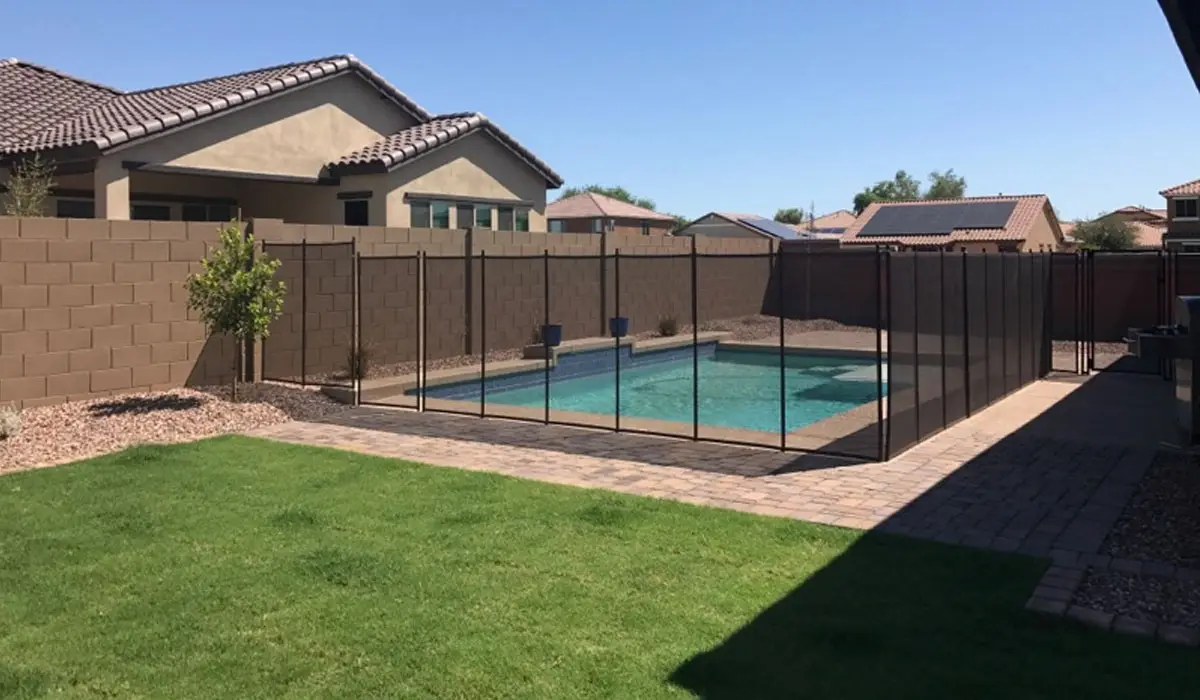
4 feet (48 inches) is the absolute legal floor across almost every town in the country. It passes code. But if you actually want to keep a determined kid or an athletic dog out of the water, build it 5 feet (60 inches) high instead. Deep pools with diving boards or slides usually need that extra foot anyway just to satisfy strict home insurance adjusters. Keep ground gaps under 4 inches, put your self-closing gate latch at 54 inches and you are set.
Key Takeaways
- 4 feet passes code, 5 feet gives peace of mind. 48 inches satisfies basic city law, but opting for a quality pool fence OKC installation at 60 inches actually stops an athletic 4-year-old from scrambling over.
- Deep pools get extra scrutiny. Got a 9-foot deep end, a slide or a diving board? Expect your home insurance rep to push hard for a 5 or 6-foot setup.
- Watch that bottom edge. Keep space under the bottom rail under 4 inches on concrete. Drop it to 2 inches over the lawn so nobody digs under it.
- Gates have to shut on their own. Outward swinging, automatic closing and a release handle set high at 54 inches. No exceptions here.
- Avoid horizontal bars outside. Smooth vertical pickets work great. Horizontal rails facing out basically give kids free ladder rungs.
Height and Safety Requirements for Backyard Pool Fencing
Nobody gets excited about shopping for fence panels when installing a pool, but inspectors care a lot. The rules are written in blood, drowning is quick, silent and happens in seconds. A cheap, short fence gives a curious toddler a quick path into trouble. Doing it right the first time keeps city inspectors off your back and keeps your family safe.
Standard Height Guidelines (4 Feet vs. 5 Feet)
48 inches is where safety codes start. It works on paper, but real life usually demands more.
- The 4-Foot Standard: Legal minimum in most towns. It stops a stumbling toddler, but an active preschooler can easily grab the top rail and pull themselves up.
- The 5-Foot Recommended Height: That extra foot changes everything. It strips away leverage, makes climbing brutal for kids and stops big dogs from jumping right over.
- The 6-Foot Maximum Option: Great if your yard slopes downhill or if your patio sits right on top of your neighbor’s property line. Gives you total privacy alongside maximum safety.
Understanding the Nuance of Pool Depth and Structure
Pool depth shifts your risk instantly. A shallow splash pad and a deep 10-foot diving pool are two totally different situations.
- Shallow Pools (Under 4 Feet Deep): Play pools still need a 4-foot wall. Slipping into shallow water is effortless, so your main protection layer here is an automatic gate that never stays propped open.
- Deep In-Ground Pools (4 to 10+ Feet Deep): Deeper water means worse falls. Insurance companies hate the risk which is why they routinely demand 5 or 6-foot barriers before writing a policy on deep pool homes.
- Above-Ground Pool Variations: Hard outer walls that stand 48 inches tall can actually count as the barrier itself. You just have to lock up the ladder or build a gated deck around the entry point.
Ground Clearance and Picket Spacing Standards
A tall fence does nothing if a child can squeeze underneath or push through the pickets.
- Bottom Clearance: Never leave more than 4 inches of space under the panel. On dirt, mulch or grass, dial that back to 2 inches so small animals or kids cannot dig through.
- Vertical Picket Gaps: Space your pickets under 4 inches apart. That simple gap stops heads and torsos from sliding through.
- No Horizontal Footholds: Keep frame rails on the pool side. Outward crossbars act like ladder steps for young kids.
Essential Gate, Latch and Construction Guidelines
A fence is only as reliable as its gate. You can put up an 8-foot masonry wall, but if the gate stays propped open, it is completely useless.
Self-Closing and Self-Latching Gate Mechanics
Do not count on party guests or distracted kids to shut the gate behind them.
- Outward Swinging Direction: Gates must swing out away from the water. If a kid pushes against it from the yard, it slams against the frame stop instead of opening inward toward the pool.
- Self-Closing Hinges: Tension hinges or hydraulic arms must pull the gate fully shut on their own, even if someone only opens it a couple of inches.
- High Latch Placement: Put the release handle at least 54 inches off the ground. That height keeps it far out of reach for small children.
Material Choice and Visibility Considerations
You want to balance raw strength with clear visibility. Being able to see the water surface directly from your kitchen or patio table makes yard supervision effortless.
- Mesh Safety Fencing: Removable mesh is massive right now because the tight weave offers zero footholds. Plus, you get an unblocked view straight through it.
- Aluminum and Ornamental Iron: Metal pickets look great and last forever. Vertical bars are almost impossible to climb as long as the support rails face the pool water.
- Wood and Vinyl Panels: Perfect for total privacy along property lines. Just do not place solid walls right up against the pool or you lose line-of-sight to the deck.
- Chain Link Options: Standard 2-inch chain link is a terrible idea for pool safety because small shoes climb the diamonds like steps. If you use a chain link, order tight mesh under 1.25 inches.
Important Pre-Installation Checklist for Pool Owners
Run through this brief list before hitting the hardware store or digging post holes:
- Call Town Hall: Confirm local height rules first. Certain cities mandate 5 feet across the board.
- Check Insurance Requirements: Make sure your chosen panel height matches what your home insurance policy demands.
- Measure From Outside Grade: Always measure panel height from the high ground outside the pool, especially on sloped lawns.
- Leave Walkway Space: Keep a few feet open between the pool edge and the fence panels so people do not trip into the water.
- Move Climbing Aids: Shift patio chairs, grills and woodpiles 3 feet back from the fence exterior.
- Pick Natural Pathways: Place entry gates right along the main walking paths coming off your back deck.
Warning Signs Your Current Pool Barrier Is Unsafe
Old fences degrade fast. Check your yard for these dangerous red flags:
- Dragging Gates: The gate scrapes the patio or fails to latch automatically when you let go.
- Low Latches: The handle sits under 54 inches off the grass.
- Loose Posts: Fence posts wobble inside cracked concrete or pull free from soft rain-soaked dirt.
- Bent Bars: Vertical pickets have bent or warped, leaving gaps wider than 4 inches.
- Erosion Underneath: Soil has washed away under the bottom rail, opening up spaces larger than 4 inches.
- Climbing Launchpads: Planters, pump covers or deck stairs sit right next to the fence panel.
Conclusion
Building a tall, solid fence around your backyard pool is easily the best thing you can do to protect your family and prevent accidents. While 4 feet covers basic building code requirements, moving to 5 feet gives you far better defense against climbing kids and pets. Keep your gates self-closing, watch your ground clearance and double-check your local city guidelines before buying materials. When you are ready to secure your backyard, hiring professionals to build your pool fence OKC setup ensures your home stays safe, fully compliant and ready for summer fun.
FAQs
What is the legal minimum height for a pool safety fence?
Most municipalities require pool safety fences to stand at least 4 feet (48 inches) tall, measured from the ground level outside the pool area.
Should I choose a 4-foot or 5-foot pool fence?
4 feet meets basic legal code, but 5 feet is much safer because it stops older toddlers and big pets from scrambling over the top rail.
How high does a pool gate latch need to be?
The release handle must sit at least 54 inches above the ground so young kids cannot reach up and open it by themselves.
Does an above-ground pool need a separate fence?
If the pool walls stand 48 inches high all the way around, they can count as the barrier, provided you secure or lock the ladder when nobody is swimming.
How big can the gap be under the bottom of a pool fence?
Ground clearance must stay under 4 inches on hard surfaces and under 2 inches over soft lawn or dirt.
Can you install a pool fence directly on dirt or grass?
Yes, but support posts must be set deep inside concrete footings or heavy-duty sleeves so they do not wobble over time.