
 By PRN Michael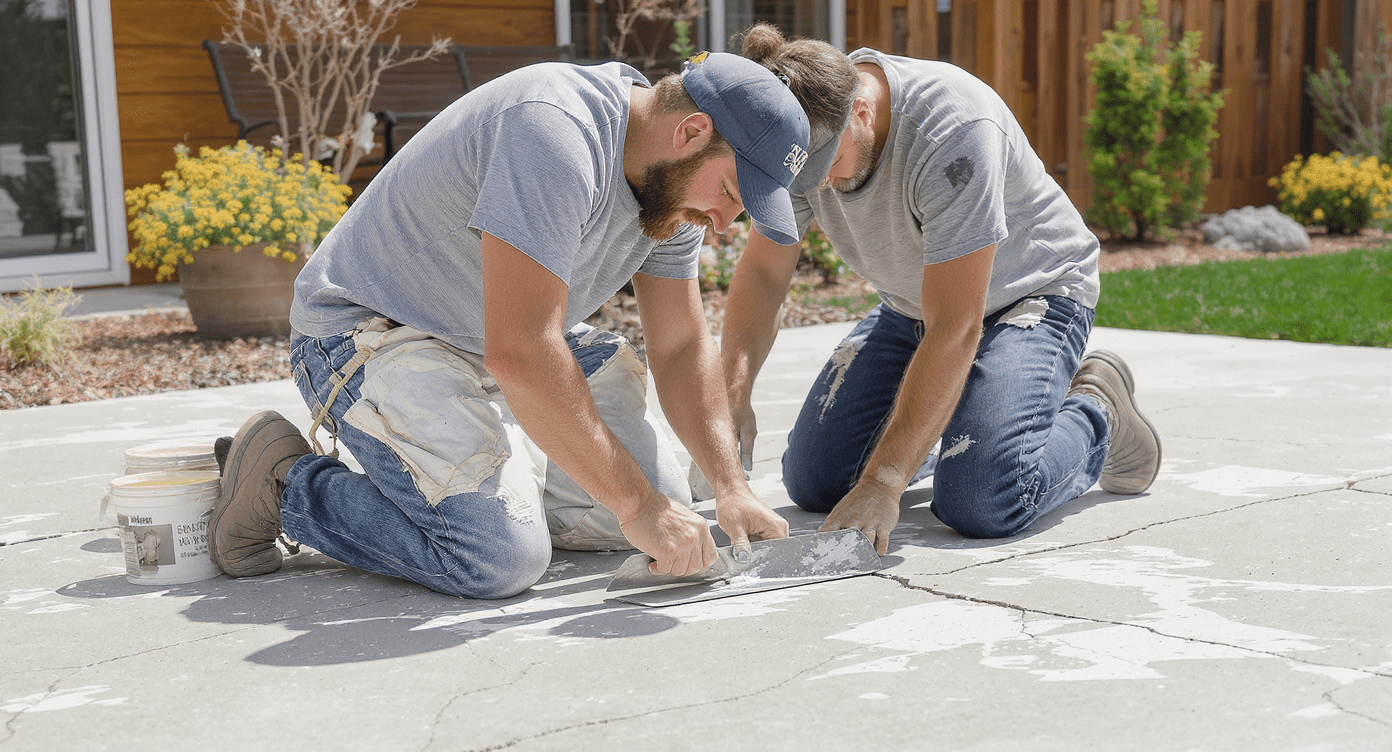
A tired patio can make the whole backyard feel older than it is. Hairline cracks, faded color, rough patches, and shallow pits do not always mean the slab has reached the end of its life. Many American homeowners hear “replace it” too early, when the smarter move may be repair, prep, and a finish that fits how the space is used. The right surface choice can turn a worn patio surface into a clean, safer, better-looking outdoor area without tearing out every inch of concrete. For homeowners comparing exterior upgrades, trusted home improvement resources like outdoor renovation guidance can help frame the decision before money gets spent in the wrong place. The real question is not whether the patio looks bad today. It is whether the concrete underneath still has enough strength to deserve a second life.
Reading the Slab Before Choosing a Finish
A patio tells the truth if you slow down and read it. Surface wear, cracks, stains, low spots, and loose edges each point to a different kind of fix, and skipping that first read is how people waste money on a finish that never had a fair chance.
When a Worn Patio Surface Can Still Be Saved
A worn patio surface does not automatically mean failure. If the slab feels solid underfoot, drains away from the house, and has no large sections lifting or sinking, it may still be a good base for repair. Faded color and shallow scaling often look worse than they are.
The trouble starts when homeowners judge concrete by color alone. A gray, chalky patio in Phoenix or Dallas may still have years left if the surface damage stays shallow. A newer-looking slab in Ohio may be in worse shape if freeze-thaw cycles have opened deeper cracks under the finish.
You can test the surface with a simple scrape and rinse. Loose sand, flaking patches, and hollow-sounding spots need removal before any finish goes down. Good resurfacing starts with taking away weak material, not hiding it under a fresh coat.
Patio Crack Repair Comes Before Beauty
Patio crack repair should happen before anyone talks about color, texture, or pattern. Cracks move for a reason, and a finish cannot hold together if the base keeps shifting. Small, stable cracks can often be cleaned, filled, and blended into the new surface.
Wide cracks need more respect. A gap that keeps growing, sits higher on one side, or runs near a settled corner may signal soil movement or poor base support. Covering that with a pretty overlay is like painting over a leak stain before fixing the roof.
A contractor should explain which cracks are cosmetic and which ones are structural. That conversation matters more than a glossy sample board. The best-looking patio finish in the neighborhood still fails if the crack below it keeps breathing.
Concrete Patio Resurfacing Choices That Match the Damage
A good repair is not one product. It is a match between the patio’s condition, the local climate, and how the family uses the space. A quiet coffee patio needs a different surface than a grill zone where chairs scrape, grease spills, and kids run barefoot all summer.
Decorative Concrete Overlay for Bigger Visual Change
A decorative concrete overlay can change the mood of a patio without removing the slab. It adds a thin cement-based layer that can be textured, colored, or patterned. For a plain backyard in a suburb outside Atlanta, that can mean going from flat gray to a stone-like finish in a few days.
The key word is thin. An overlay is not magic armor. It depends on bonding to a clean, sound base, so preparation often takes more skill than the finish itself. Pressure washing alone may not be enough if old sealers, oil, paint, or loose concrete remain.
This option works well when the surface looks tired but the slab still behaves. It can soften old broom marks, cover minor patching, and create a more finished outdoor room. It is also a strong choice when you want the patio to feel connected to a pool deck, fire pit, or outdoor kitchen.
Outdoor Concrete Coating for Protection and Color
An outdoor concrete coating works best when protection matters as much as appearance. Coatings can help resist stains, reduce dusting, and add color to a plain slab. Some products create a solid color finish, while others include flakes, grit, or textured additives.
The hidden issue is heat. Dark coatings can become uncomfortable in full sun, especially across Southern and Southwestern states. A deep charcoal finish may look sharp online, then punish bare feet in July. Lighter tones often age better and feel better during long afternoons outside.
Slip resistance also deserves attention. A patio near a pool, hose bib, or shaded tree line needs grip even when damp. Smooth coatings may look cleaner in photos, but texture is what keeps real people upright after rain.
Surface Prep Decides How Long the Patio Lasts
The finish gets the attention, but prep does the heavy lifting. A patio can receive a costly product and still fail early if the surface was dusty, sealed, damp, or patched in a rush. Concrete rewards patience. It punishes shortcuts.
Cleaning, Grinding, and Moisture Checks Matter
Concrete holds more history than homeowners expect. Grill grease, leaf tannins, old sealers, mildew, fertilizer stains, and winter salt can sit inside pores long after the patio looks rinsed. A new finish needs those problems removed or locked down the right way.
Grinding or mechanical profiling gives many products a better grip. That step may sound aggressive, but it often creates the surface a coating or overlay needs. The patio should not feel polished before repair. It should feel open enough for the new material to bond.
Moisture is the quiet troublemaker. A slab that traps vapor can push against coatings from below, causing bubbles or peeling. In humid states like Florida or Louisiana, moisture checks are not extra fuss. They are the difference between a finish that lasts and one that lifts before the next season.
Why Cheap Patching Often Looks Bad Later
Cheap patching saves money for about a week. Then the repair shows through, stains differently, or cracks around the edges. The problem is usually not the patch alone. It is the mismatch between the patch, the slab, and the final finish.
A patch must be shaped, bonded, cured, and blended with the surface plan. If the patio will receive a textured overlay, the patch can be prepared for that system. If the slab will be stained, patch color becomes harder to hide because stain reacts differently across materials.
This is where a seasoned installer earns the fee. A good repair does not chase perfection in one spot while ignoring the whole patio. It plans for how sunlight, water, furniture, and foot traffic will reveal every shortcut later.
Design Choices That Make Resurfacing Feel Intentional
A restored patio should not look like a cover-up. The best projects feel planned, even when the starting point was cracked, faded concrete. Color, texture, edge treatment, and layout can make the repair feel like part of the home instead of a rescue job.
Choosing Color Without Fighting the House
Color should answer the house, not compete with it. Beige siding, red brick, white trim, black windows, and warm stone all push the patio in different directions. A worn patio surface often looks better with soft contrast than with a loud finish trying too hard.
For many U.S. homes, earth tones age well because they work with fences, lawns, mulch, and outdoor furniture. Warm gray, sand, clay, taupe, and muted brown hide dust better than bright colors. They also look less dated after trends move on.
The counterintuitive move is to avoid chasing indoor flooring outside. A patio lives under sun, rain, leaves, pollen, and mud. What looks elegant in a showroom may feel harsh outdoors. Exterior color needs forgiveness.
Texture Should Fit Real Foot Traffic
Texture is not only a style choice. It controls grip, cleaning, comfort, and furniture movement. A heavy stone texture can look expensive, but it may wobble chairs and trap dirt. A light broom or trowel texture may feel less dramatic yet work better every day.
Families with kids, older adults, or pool access should put traction first. That does not mean the patio has to look rough. Fine texture, grip additives, and smart sealing can create a safer surface without turning the slab into sandpaper.
Think about how the patio is actually used on a Saturday evening. Chairs slide. Dogs run. Someone carries a tray from the kitchen. A good surface handles those small moments without asking everyone to act careful.
Cost, Timing, and Climate Risks Homeowners Should Weigh
Budget matters, but timing and climate can change the result as much as price. A patio finished in the wrong weather window may fail faster than a cheaper project done under better conditions. Concrete work has a rhythm, and forcing it rarely ends well.
Regional Weather Changes the Best Option
A patio in Minnesota faces a different life than one in Southern California. Freeze-thaw cycles can stress overlays and patches. Coastal air can add salt exposure. Desert sun can fade color and heat the surface. Heavy rain can expose drainage mistakes fast.
The Portland Cement Association explains how concrete performance depends on materials, curing, and exposure conditions, which is why local climate should guide the repair plan. A product that works well in dry inland weather may not be the best choice for shaded, damp patios in the Northeast.
Seasonal timing also affects cure. Spring and fall often give contractors better working windows in many states. Extreme heat can dry products too fast, while cold nights can slow strength gain. Good installers schedule around the slab, not the calendar alone.
Replacement Makes Sense in Some Cases
Resurfacing is not always the honest answer. A slab with deep settlement, major heaving, severe drainage problems, or wide active cracks may need replacement. No finish can fix a patio that is failing from the ground up.
That can feel frustrating, but it may save money. Paying for a decorative concrete overlay on a sinking slab only delays the larger bill. Replacement also gives you a chance to correct slope, improve base material, add control joints, and plan better drainage.
The smartest decision is not the cheapest one today. It is the one that avoids paying twice. When the base is strong, resurfacing can be a smart upgrade. When the base is broken, removal may be the cleaner path.
Frequently Asked Questions
What is the best option for resurfacing a worn concrete patio?
The best option depends on the slab condition. Stable concrete with shallow wear can often take an overlay, coating, or microtopping. Deep cracks, sinking areas, or drainage failure may need replacement before any finish is worth applying.
How long does a decorative concrete overlay last outdoors?
A well-installed overlay can last many years when the slab is sound, the surface is prepared correctly, and the finish is sealed as needed. Weather, foot traffic, furniture scraping, and drainage all affect lifespan, so maintenance matters.
Can patio crack repair hide all visible cracks?
Small stable cracks can often be filled and blended, but no repair can promise invisible results forever. Active cracks may return through the new surface if the slab keeps moving. The cause of the crack matters more than the crack itself.
Is an outdoor concrete coating slippery when wet?
Some coatings can become slippery without texture or grip additives. Patios near pools, sprinklers, shaded areas, or frequent rain should use a slip-resistant finish. A slightly textured surface is usually safer than a smooth glossy coating.
How much does it cost to resurface an outdoor patio?
Costs vary by region, slab condition, finish type, prep work, and patio size. Simple coatings usually cost less than decorative overlays or stamped finishes. Repairs, grinding, moisture issues, and old coating removal can raise the final price.
Can old stained concrete be resurfaced successfully?
Old stained concrete can be resurfaced if the surface is clean, solid, and free from bond-blocking sealers or contaminants. The installer may need grinding, stripping, or special primers before applying a new finish that can hold properly.
When should I replace a patio instead of resurfacing it?
Replacement makes more sense when the slab has major settlement, deep structural cracks, poor slope, heavy heaving, or drainage that sends water toward the house. Resurfacing works on surface problems, not serious base failure.
What maintenance does a resurfaced patio need?
A resurfaced patio needs regular cleaning, prompt stain removal, furniture protection, and resealing when the finish calls for it. Avoid harsh deicers and dragging metal furniture across the surface. Small habits often decide how long the new finish stays attractive.