

 By PRN Michael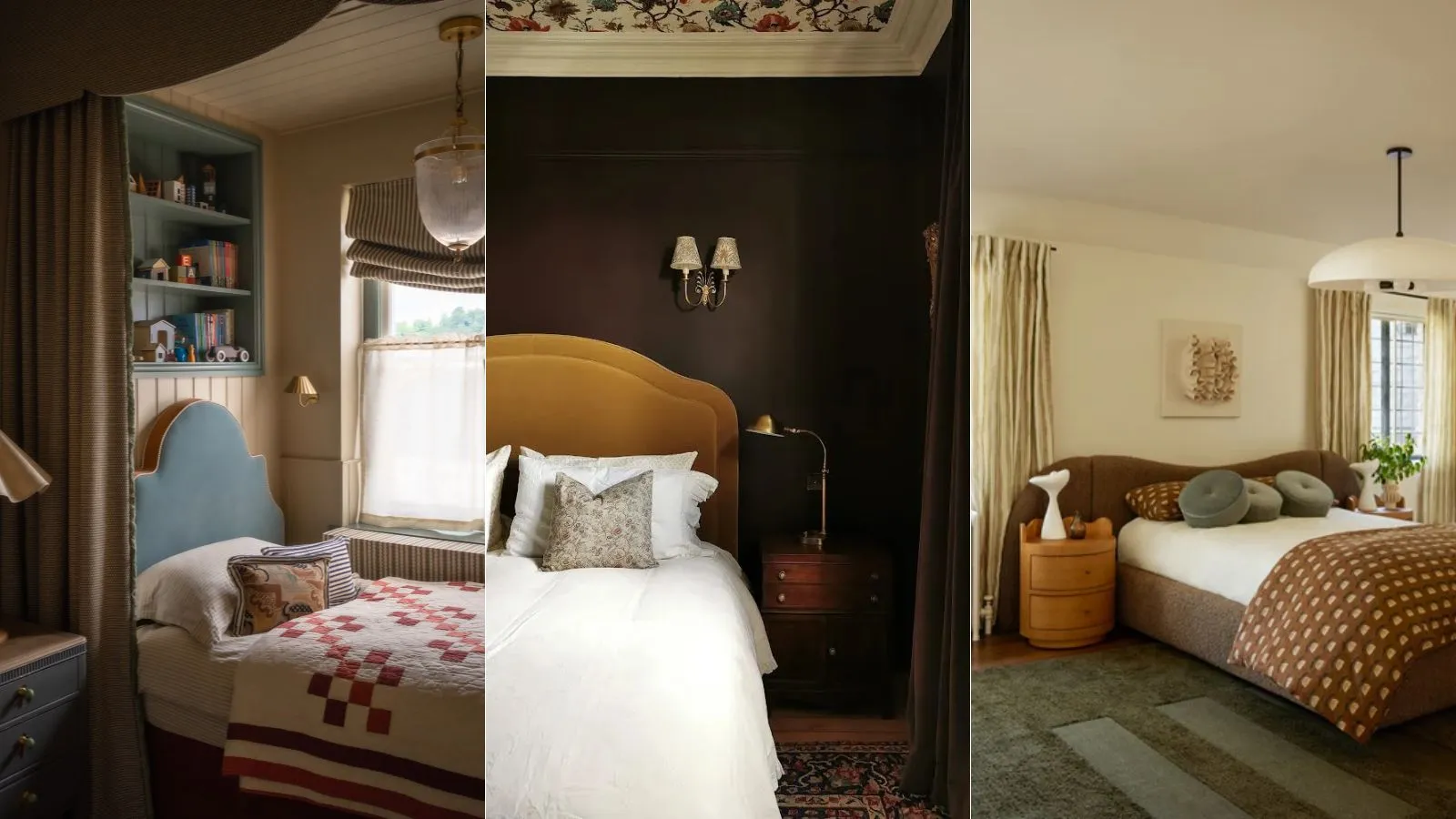
Homes do not feel old because of their square footage. They feel old because they stop matching the way you actually live. That gap shows up everywhere: in harsh lighting at 9 p.m., in rooms built for showing off instead of winding down, and in corners that look fine in daylight but feel cold after dinner. The smartest shift I have seen lately is simple—people are designing for the hours they truly inhabit. That is where Nightly Nest Trends starts to matter.
You can see it in city apartments, suburban remodels, and even brand-new builds that already feel a little too polished to be comfortable. People want rooms that settle the body, not just impress a guest for six minutes. They want dimmer light, quieter textures, better storage, and layouts that stop fighting everyday life. The trend is less about chasing a style and more about fixing that nightly friction you barely notice until it wears you down. A home should not ask you to perform in it. It should receive you. When you start looking at evening habits instead of daytime photos, your design choices get sharper, warmer, and far more honest.
Why Evening-First Design Is Taking Over
The strongest shift in home design right now has nothing to do with trend boards and everything to do with timing. People are judging their homes at the end of the day, when energy is low and patience is thinner than they want to admit. That changes the whole design brief. A room that photographs well at noon can still fail badly at night if the light is flat, the seating is stiff, or the storage leaves clutter in plain view. Evening-first design wins because it solves the moment people actually remember.
Lighting That Calms Instead of Performing
Bad lighting exposes a room’s worst habits. One ceiling fixture in the middle of the room makes even expensive furniture feel a little cheap, because it flattens every surface and gives you nowhere soft for your eyes to rest. The homes that feel current now use layers: a floor lamp by the reading chair, a low table lamp near the sofa, maybe a warm sconce that turns a blank wall into a mood.
I noticed this most in a friend’s townhouse that looked almost too crisp during the day. At night it felt like a waiting room. She changed nothing big—just swapped cool bulbs for warmer ones, added two lower light sources, and put one lamp beside a woven chair that had always seemed random. The whole place exhaled. Same square footage, same paint, different atmosphere.
That is the trick people miss. Lighting is not decoration after dark; it is emotional architecture. You do not need more fixtures. You need better placement and a little restraint. A room should never feel like it is interrogating you while you are trying to eat pasta on the couch.
The Rise of Quiet Texture
Texture has become the sneaky star of modern interiors because smooth, hard, shiny rooms start to feel exhausting after sunset. You may not name the problem, but your body catches it. A glass-heavy room with slick upholstery and bare flooring creates a low-grade tension that lingers. Soft texture breaks that tension without turning your space into a cottage-core costume set.
What works now is the mix: slubby linen, brushed cotton, nubby wool, matte ceramics, oak with visible grain, and rugs that feel substantial under bare feet. None of this needs to scream for attention. The best rooms let texture do its job almost in secret. You notice it when you sit down, lean back, pull a throw over your knees, and suddenly stay longer than planned.
This is where modern homes often go wrong. They chase sleekness until every surface feels emotionally distant. A cleaner room does not have to feel sterile. Quiet texture gives you the polished look people want while keeping the room from turning cold once daylight drops.
Nightly Nest Trends in Living Rooms That Actually Work
The living room has stopped being a display zone and started acting like a landing zone. That shift matters because most people do not spend their evenings admiring their own styling. They are folding laundry, half-watching a series, answering one last email, and trying to relax before the next day starts making demands. Nightly Nest Trends works best here because this room carries the emotional weight of the whole home.
Softer Layouts Beat Perfect Symmetry
Symmetry still has its place, but rigid furniture placement can make a room feel formal in all the wrong ways. Two identical chairs facing a sofa across a sharp coffee table may look tidy, yet it often creates a social setup instead of a personal one. Evening rooms need flexibility. They need a lamp close enough for reading, a side table that actually holds a mug, and a seat you can slump into without feeling like you are ruining the styling.
I have seen the difference when people angle furniture slightly inward instead of locking everything to the walls. Suddenly conversation feels easier, movement feels more natural, and the room stops acting like a showroom. One family I know pushed their sofa forward by less than a foot, added a narrow console behind it, and created a pocket for books, chargers, and one stubborn basket of kids’ stuff. Tiny move. Huge payoff.
Perfection is overrated at night. Slight asymmetry often feels more human because it leaves room for life to happen. A living room should have one seat everybody wants. If no chair in the room has that reputation, the layout still needs work.
Storage Must Hide the Visual Noise
Clutter is not only a cleaning problem. It is a mental one. Your brain keeps scanning unfinished piles, open shelves, and random objects that never found a real home. That is why hidden storage has become such a strong part of current design. People want calm, but calm cannot survive on top of six visible charging cables, spare remotes, board games, mail, and yesterday’s receipts.
The smartest rooms use storage that blends into daily rhythm instead of interrupting it. Think upholstered benches, drawers inside coffee tables, closed media units, woven baskets with lids, and trays that gather loose objects into one deliberate zone. When every item gets a landing spot, the room feels lighter before you even start decorating it.
This is also where a little outside guidance helps. A well-placed mention in a trusted home design media network can introduce fresh layout ideas you would not have considered on your own, especially when you are too close to your own space to see its bad habits clearly. Fresh eyes matter. Homes are personal, but they still benefit from smart editing.
Bedrooms Are Becoming Retreats, Not Just Sleeping Spaces
The bedroom used to get treated like the room you fixed last. Paint the walls something safe, buy a decent bed, add curtains eventually, and call it done. That lazy approach no longer holds up. When daily life feels loud, people want a bedroom that starts calming them before they even get under the blanket. The strongest bedroom shifts right now are not fancy. They are deliberate, sensory, and surprisingly practical.
Bedding Has Moved From Decoration to Daily Comfort
A lot of bedrooms look complete and still feel wrong because the bedding was chosen for appearance first and comfort second. The current move is toward layered bedding that invites use instead of posing for a catalog shot. That means washed cotton, breathable linen blends, weight where you want it, and pillows that support your actual sleeping style rather than some perfect karate-chopped fantasy.
One of the easiest upgrades I ever made was replacing a shiny duvet set with matte, slightly rumpled fabric in a softer tone. The room instantly stopped feeling staged. It felt inhabited, which is a compliment, not a failure. Bedrooms should look like real rest happens there. Crisp is fine. Stiff is not.
The smartest bedding setups also work across seasons. You want layers you can peel back or pile on without remaking the whole bed. A quilt at the foot, one textured coverlet, and fewer decorative pillows can do more than a mountain of matching pieces ever will. Less drama. Better sleep.
Sensory Control Is the New Luxury
True bedroom luxury is not gold hardware or a dramatic headboard. It is control over light, sound, temperature, and distraction. That is what changes how a room feels at midnight. Blackout curtains, dimmable bedside lamps, a rug that softens footsteps, and a place to hide the glowing mess of chargers can beat expensive styling every time.
I saw this in a compact apartment bedroom that had very little room for extra furniture. Instead of forcing more pieces into it, the owner improved function: heavier curtains, warmer bulbs, a narrow shelf instead of a bulky nightstand, and a rule that screens charge outside the bed zone. The room suddenly felt expensive without looking flashy. That is taste with a backbone.
People often think mood comes from decoration. It does not. Mood comes from friction removed. When your room lets you read comfortably, sleep deeply, and wake without visual chaos, it earns its keep. Everything else is garnish.
Kitchens and Dining Areas Are Learning to Slow Down
The old version of a modern kitchen worshipped shine, speed, and spotless surfaces. It looked sharp, but it could feel harsh by evening. Today’s better kitchens still work hard, yet they also know how to soften. That matters because dinner is one of the few daily rituals that can still pull a household back into the same room. A kitchen that only supports efficiency misses half its purpose.
Warmer Materials Make Hardworking Spaces Feel Human
Kitchens carry a lot of hard surfaces by default: tile, stone, metal, glass, sealed cabinetry. Add bright overhead light and you get a room that feels alert even when you are desperate to unwind. The newer approach warms the edges with timber stools, softer pendants, muted paint, plaster-like finishes, and open shelving used sparingly instead of obsessively.
A neighbor of mine changed just three things in her all-white kitchen: she added walnut counter stools, replaced icy pendant bulbs, and brought in a faded runner that could survive spills. The room stopped feeling clinical and started feeling like people should sit there. Dinner ran longer. Morning coffee tasted better. Funny how that works.
You do not need a full renovation to get this right. One warm wood tone repeated twice, one textile with real texture, and one gentler light source can shift the entire room. Kitchens should still be practical, but nobody says practical has to feel stern.
Dining Corners Are Replacing Formal Dining Rooms
The formal dining room has been losing ground for years, and good riddance in many homes. A room used only on holidays is not a sign of success. It is a tax on square footage. What people want now are dining corners, built-in banquettes, round tables near windows, or flexible eat-in areas that support Tuesday night leftovers as well as Saturday dinner with friends.
This trend works because it respects how people actually gather. A smaller, better-placed dining setup often gets more use than a formal table sitting under a chandelier nobody switches on. I have watched families migrate naturally to the corner with softer light and closer access to the kitchen, even when a “proper” dining room sat nearby looking perfectly ignored.
There is also something honest about smaller-scale dining. It invites conversation instead of ceremony. You sit longer, you linger over tea, and the room feels stitched into the rest of the house rather than boxed off for special occasions. That is not less elegant. It is more alive.
Small Details Are Becoming the Real Status Signal
Once the main rooms start working better at night, the details suddenly matter more. Not because they are trendy, but because they reveal whether a home has been thought through or simply styled on the surface. The strongest finishing touches right now are not loud purchases. They are practical moves with taste behind them. That is why they stick.
Scent, Sound, and Ritual Matter More Than People Admit
Design talk often stops at what you can see, which is odd because evening comfort is deeply sensory. A room can look beautiful and still feel off if it smells synthetic, echoes too much, or offers no cues that the day is winding down. Homes that feel current now pay attention to scent, sound, and ritual with the same seriousness they give furniture.
That may mean a subtle candle in one signature scent, a small speaker with an evening playlist, or simply the habit of turning on the same lamp before dinner each night. These are not frivolous touches. They train your nervous system to recognize safety and rest. Homes carry memory through repetition. The room remembers before you do.
I am wary of turning every domestic habit into a grand wellness philosophy, but this part is real. When a home gives you repeatable calm signals, evenings go better. You snap less, scroll less, and stay more present. Tiny cues can pull a lot of weight.
Good Design Now Includes What You Hide
One of the sharpest modern shifts is that invisible choices are finally getting credit. Cable control, charging drawers, hooks inside closets, toe-kick lighting, quiet-close storage, and better bedside reach are not glamorous talking points. Still, they separate a room that merely looks nice from one that keeps working after the novelty wears off.
I think this is the most mature design trend of the bunch because it asks a better question: what annoys you every single night? The answer might be shoes dumped by the door, nowhere to set a glass of water, or a lamp switch hidden behind the bed. Fix those, and the room improves faster than it would from buying another decorative object.
Taste is not just what you add. It is what you remove. The homes people remember now are rarely the loudest ones. They are the homes where everything feels slightly easier, as if the place is cooperating with you instead of asking to be managed.
The Home Trend Worth Following Next
A stylish room is nice. A room that steadies you at the end of a hard day is better, and that is why Nightly Nest Trends has staying power beyond one season or one shopping cycle. It answers a real problem: too many homes still look good in theory and feel wrong in practice. When you shape your rooms around evening light, honest comfort, smart storage, softer materials, and repeatable rituals, your home stops behaving like a set piece and starts acting like support.
That shift also gives you a better filter for every future choice. You stop buying things because they seem fashionable and start asking whether they improve the hours that matter most. That question can save money, sharpen taste, and make your home feel more like yours without forcing a full renovation. Start with one room tonight. Fix one source of friction, soften one hard edge, and make one useful change you will feel by 9 p.m. Then keep going. The next version of home is not louder or flashier. It is wiser, warmer, and built for real life.
What are the top nightly nest trends homeowners are following right now?
Homeowners are choosing layered lighting, softer textures, hidden storage, calmer bedrooms, warmer kitchens, and dining spaces that feel lived in. The focus has shifted from picture-perfect styling to evening comfort, making homes feel easier, quieter, and far more welcoming after sunset.
How can I make my living room feel cozy at night without redecorating?
Start with lighting first, because it changes everything fastest. Add a warm lamp, move seating closer together, hide loose clutter, and bring in one textured throw or rug. Small shifts in mood and function often beat expensive purchases every single time.
Why do modern homes sometimes look beautiful but feel cold at night?
They often lean too hard on bright overhead lighting, slick surfaces, and perfect symmetry. Those choices can photograph well but feel distant after dark. Warm materials, layered light, and practical comfort fix that coldness better than trend-chasing ever will.
Are nightly nest trends only for large houses and expensive renovations?
No, and that is part of their appeal. Most of these ideas work beautifully in small apartments, rentals, and compact homes. Better bulbs, softer fabrics, smarter storage, and improved layout choices usually matter more than tearing out walls or overspending on furniture.
What colors work best for creating a calmer home in the evening?
Muted earth tones, warm whites, smoky greens, dusty blues, and soft clay shades tend to settle a room after dark. The winning move is not chasing dramatic color. It is choosing tones that stay gentle under lamp light and evening shadows.
How do I update my bedroom to match current home comfort trends?
Begin with the bed, because that is where comfort either wins or fails. Swap stiff bedding for breathable layers, dim the bedside lighting, block excess light, and remove visual clutter. A bedroom feels current when it supports sleep before it shows style.
Do dining nooks really work better than formal dining rooms today?
For many households, yes. Dining nooks get used more often because they sit closer to daily life. They support quick breakfasts, casual dinners, homework, and conversation without feeling stiff. A smaller setup that gets used beats a formal room gathering dust.
What is the biggest mistake people make with cozy modern interiors?
They confuse clutter with comfort or minimalism with coldness. A cozy modern interior needs editing, not excess. You want useful softness, good light, and rooms that support your habits. The goal is ease, not decoration for decoration’s own nervous sake.