
 By PRN Michael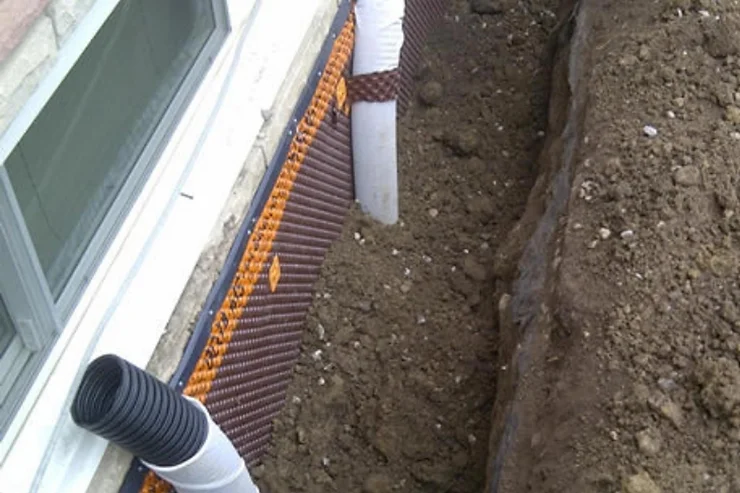
A basement leak rarely begins with a dramatic flood. It often starts with a wet stain under the window, a musty smell after a storm, or a patch of drywall that keeps bubbling no matter how many times you repaint it. A properly planned window well drain can stop that slow creep before it becomes a repair bill that makes your stomach drop.
Many U.S. homeowners only think about basement windows after water shows up inside. That is the expensive order. The smarter move is to treat the well, the soil, the gravel, and the outlet path as one system, not separate pieces. Even good wells fail when gutters dump water nearby, clay soil holds runoff against the wall, or the drain line has nowhere safe to release. For practical home improvement planning resources, property improvement guidance can help you think beyond quick fixes and look at the whole moisture path around your home.
Basement water intrusion does not care how finished your lower level looks. Carpet, trim, storage boxes, and furniture all lose when exterior drainage gets ignored. The work may happen outside, but the payoff is inside every time the next hard rain comes through.
The Hidden Water Path Around a Basement Window
Water rarely attacks a basement window from one direction. It falls from the sky, rolls off the roof, runs across compacted soil, and collects where the ground gives it permission. A window well sits lower than the yard, so it becomes a natural catch basin unless the surrounding drainage plan pushes water away before it gathers.
Why Window Well Flooding Starts Before You See Standing Water
Window well flooding usually begins long before the well looks full. The first warning may be damp gravel, soil stains on the liner, or water marks on the glass after a storm. Those small signs matter because they show that water is entering faster than the area can shed it.
A common mistake is blaming the cover first. A cover helps block rain, leaves, and snow, but it cannot fix a yard that slopes toward the foundation. If the grade pushes runoff toward the house, water will find its way around the cover edges, down the wall, or through loose soil beside the well.
Clay-heavy soil makes the problem worse in many parts of the Midwest, Northeast, and South. It holds water like a sponge, then presses that moisture against the foundation. Once the soil gets saturated, even a small storm can push water into weak spots around the window frame.
The counterintuitive part is that a deep well can fail faster than a shallow one when the drain path is blocked. More depth creates more room for water to collect, but it also creates more pressure when that water has no exit. Space without movement is not protection.
How Gutters, Grade, and Soil Turn Storms Into Basement Leaks
The roof often sends more water toward the window than the well itself receives from direct rainfall. A short downspout can dump hundreds of gallons beside the foundation during a heavy storm. If that water lands near a basement window, the well becomes the lowest invitation in the yard.
Grade matters because water follows slope before it follows logic. A homeowner may see a clean window cover and assume the well is protected, while the soil beside it quietly funnels runoff into the same area. The fix often starts several feet away from the window, not inside the well.
A simple U.S. example is a split-level home in Ohio with a finished basement office. The owner replaces the window seal twice, but the leak keeps returning. The real culprit is a downspout extension that ends three feet from the well, paired with settled soil that leans back toward the wall.
Foundation drainage works best when every part supports the next. Gutters move roof water, grading moves surface runoff, gravel keeps water from sitting tight against the wall, and the drain gives collected water a path out. Remove one piece, and the whole setup starts acting tired.
How Proper Drain Planning Starts Below the Surface
Good drainage begins where you cannot see it. The visible parts may look simple, but the buried route decides whether the system keeps up during a long rain. A clean-looking well with poor subsurface planning is like a nice driveway leading to a locked garage.
Choosing the Route Before Gravel Goes In
The drain needs a legal, practical, and dependable discharge point. Some homes tie the well drainage into an existing exterior footing drain. Others move water to daylight on a slope, a dry well, or another approved drainage area. Local code and site conditions decide what makes sense.
Guessing here is risky. Tying into a damaged footing drain can send water nowhere. Sending water to a low corner of the yard can create a soggy mess that circles back toward the foundation. A drain route should move water away from the basement, not shift the problem ten feet over.
Exterior basement waterproofing often fails when the outlet plan gets treated as an afterthought. The pipe may look fine during installation, but if it has poor slope or a blocked release point, water slows down and sediment builds. Slow water is where drainage systems start losing the fight.
A licensed contractor in a city like Pittsburgh, Atlanta, or Chicago may also need to account for stormwater rules. Some municipalities restrict where runoff can be discharged. That detail feels annoying until you realize an illegal outlet can create neighbor complaints or inspection trouble later.
Why Gravel Depth Matters More Than the Cover
Gravel is not filler. It is the breathing room that lets water move toward the drain instead of sitting against the window frame. Clean, angular stone creates small open spaces that guide water down while reducing mud buildup around the pipe.
A thin gravel layer looks finished from above, but it gives water almost no storage or movement space. During a hard storm, the well can fill faster than the drain can accept water. More clean stone gives the system a buffer when rain comes down in bursts.
The fabric around the drain area matters too. Soil and silt naturally migrate into open spaces over time. A proper filter fabric helps keep the stone from turning into a muddy plug, especially in yards with loose topsoil or heavy seasonal runoff.
This is where many DIY jobs fall short. The homeowner buys a cover, adds a few bags of rock, and feels done by Saturday afternoon. Then one spring storm proves the system never had enough depth, slope, or clean flow area to begin with.
Installation Details That Separate Dry Wells From Costly Redos
A drainage job can look neat on day one and still fail by the next season. The difference often lives in small choices: how the soil is cut, where the pipe sits, how the stone is layered, and whether the window frame gets inspected before everything is covered again.
What Should Happen Before the First Shovel Cut
The first step is inspection, not digging. You need to look at the window frame, the well liner, the wall, the sill, the existing gravel, the downspout layout, and the yard slope. Skipping that step turns the job into a guess with a shovel attached.
A cracked liner or loose window frame can let water in even when drainage improves. The drain handles collected water, but it does not repair a failing window assembly. If the frame leaks under hose testing, that problem needs attention before the well gets rebuilt.
Utility marking also matters. Many U.S. homeowners underestimate how much can be buried near the foundation, including electrical lines, irrigation, gas service, and low-voltage cables. Calling 811 before digging is not paperwork theater. It keeps a wet basement project from becoming a dangerous one.
Permits may apply depending on the depth, connection point, and local drainage rules. A simple replacement may not need much paperwork, while a new tie-in to storm drainage might. The safest approach is to check before the trench is open and the yard is torn apart.
How to Protect the Pipe From Mud, Roots, and Freeze Pressure
The drain pipe needs protection from the ground around it. Perforated pipe can collect water well, but it also invites sediment if the surrounding stone and fabric are poorly placed. Once the holes clog, the pipe becomes a buried decoration.
Roots create another slow problem. Shrubs planted too close to the window well may look harmless, but their roots chase moisture. Over time, they can press into stone beds, disturb soil, and narrow the path water needs to move through.
Freeze pressure matters in colder states like Minnesota, Michigan, and Maine. Water trapped in poor-draining soil expands when it freezes. That movement can shift liners, crack weak concrete, or push soil into places that were clean after installation.
A clean installation leaves the well stable, the pipe protected, and the surface ready to shed water. The best systems do not rely on one heroic part. They reduce pressure at every layer, so no single piece has to carry the whole storm.
Maintenance Habits That Keep Water Moving After the Job Is Done
Drainage is not a set-and-forget feature. It is closer to a quiet appliance outside your house. You may not think about it every week, but when it stops working, the damage can spread fast and cost more than the maintenance ever would have.
How Often Should You Inspect a Window Well After Heavy Rain?
A quick inspection after heavy rain can tell you more than a dry-day glance ever will. Look for standing water, floating mulch, soil streaks, sagging covers, and debris pressed against the glass. Those signs show how water behaves when the system is under stress.
Fall is a key season for maintenance because leaves can clog covers and settle into gravel. Spring matters too because snowmelt can test drainage for days, not minutes. A system that handles a summer shower may struggle when frozen soil and meltwater arrive together.
Window well flooding should never be treated as normal because “it went away later.” Standing water means the system fell behind. Even if the water drains after a few hours, the window frame and foundation wall may have already taken on moisture.
A homeowner in New Jersey might notice water pooling every time storms come from one side of the house. That pattern is useful. It points toward wind-driven rain, roof runoff, or grading problems on that side instead of a random basement issue.
When a Dry Basement Still Needs a Drainage Check
A dry basement can hide early drainage failure. The well may be filling halfway during storms, then draining before anyone checks it. That cycle still stresses the window, wets the soil, and shortens the life of the surrounding materials.
The smartest maintenance habit is looking for change. Gravel that used to stay clean but now looks muddy tells a story. A cover that used to sit flat but now rocks at one corner may mean the soil has shifted. Small changes are cheaper than soaked carpet.
Foundation drainage should also be reviewed when you change landscaping. New mulch beds, raised borders, patios, walkways, and garden edging can trap water against the house if they block natural flow. Pretty landscaping can become a drainage dam if no one checks the slope.
The unexpected truth is that many basement leaks appear after homeowners improve the yard. A new flower bed may lift the soil level. A stone border may hold water in place. The house did not suddenly become weaker; the water path changed.
Conclusion
A dry basement is not luck. It is the result of giving water fewer chances to slow down, collect, and press against weak points. That starts with the roofline, continues through the soil, and ends only when collected water has a dependable way to leave the well.
The best time to think about a window well drain is before the next storm turns a small weakness into a stained wall or ruined floor. Waiting until water enters the basement usually means paying for cleanup, repairs, and drainage work all at once. That is the kind of lesson homeowners remember for the wrong reason.
Treat the window well as part of your home’s defense system, not as a small metal hole beside the foundation. Check the grading, control roof runoff, protect the gravel bed, and make sure the outlet path works under real weather, not only on a sunny inspection day. Walk your basement windows after the next rain and take notes before the damage writes the story for you.
Frequently Asked Questions
How much does basement well drainage cost in the USA?
Costs vary by depth, soil, access, and outlet method. A simple cleanout or gravel refresh may cost far less than a full drain connection. Many homeowners pay more when the job involves excavation, footing drain tie-ins, or repairs around the window frame.
What causes water to collect in a basement window well?
Water collects when runoff enters faster than it can leave. Short downspouts, poor grading, clogged gravel, compacted soil, and blocked drain lines are common causes. A cover helps, but it cannot overcome a yard that sends water toward the foundation.
Can I install basement window drainage myself?
A careful homeowner can handle basic cleaning, cover replacement, and gravel refresh work. Full drainage installation is harder because slope, discharge, soil type, and code rules matter. Mistakes get buried, so complex jobs usually deserve a qualified contractor.
Do window well covers stop basement leaks?
Covers reduce rain, leaves, snow, and debris inside the well. They do not fix clogged drains, bad grading, cracked frames, or downspouts that release water beside the foundation. A cover works best as one layer in a larger drainage plan.
How deep should gravel be in a basement window well?
Depth depends on the well size, drain location, and local soil conditions. The gravel should provide enough open space for water to move down without sitting against the window. Clean stone matters more than decorative rock because drainage needs flow, not appearance.
Why does my basement window leak only during heavy storms?
Heavy storms expose weak drainage paths. The soil saturates, roof runoff increases, and the well fills faster than usual. A window that stays dry in light rain can still leak when water pressure rises around the frame or foundation wall.
Should a window well drain connect to the footing drain?
It can, but only when the footing drain is working and the connection is allowed by local rules. Connecting to a clogged or damaged footing drain can make the problem worse. The outlet path should be confirmed before any tie-in is made.
How often should basement window wells be cleaned?
Clean them at least twice a year, usually in spring and fall. Also check them after major storms, heavy leaf drop, or snowmelt. Remove leaves, mud, mulch, and trash before they settle into the gravel and slow drainage.