
 By PRN Michael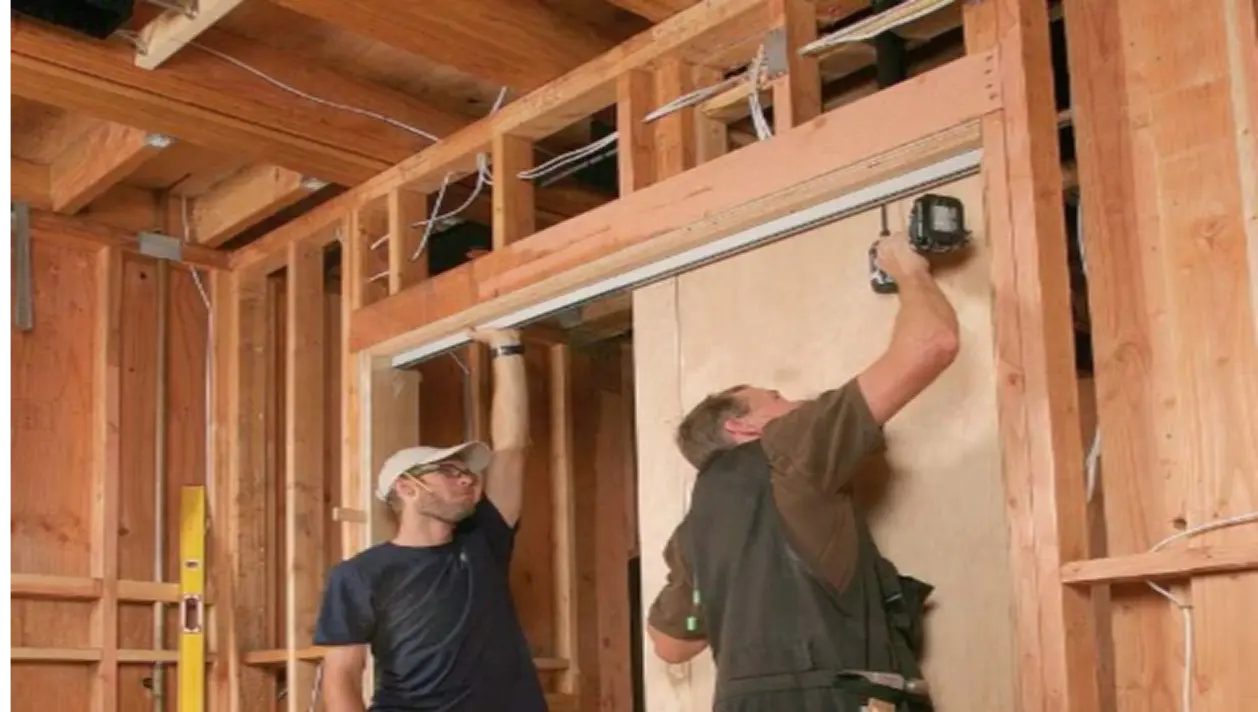
A pocket door should disappear into the wall, not start a daily wrestling match. When it drags, jumps, leans, or refuses to latch, the problem often sits deeper than the visible door slab. Interior pocket door frame repair matters because the frame, track, rollers, jambs, and hidden pocket all work as one system. One loose screw in the track can feel like a ruined wall. One warped jamb can make a good door act broken.
Many U.S. homes use pocket doors in bathrooms, closets, laundry rooms, pantries, and tight hallways because they save floor space. That space-saving trick becomes annoying fast when the door scrapes paint, rattles in the pocket, or falls off its guide. Homeowners comparing repair options, contractor notes, and home improvement service resources need a clear way to separate small fixes from wall-opening repairs.
The good news is simple: a sticky pocket door usually gives clues before it fails. Listen to the sound, watch the gap, feel the drag, and check whether the door moves differently at the top than the bottom. Those details tell you where the repair should start.
Why Pocket Doors Stick Before They Fail
Pocket doors rarely go bad in one dramatic moment. They usually slip out of alignment in small stages until the whole door feels stubborn. That is why guessing can waste time. You need to know whether the problem starts at the top track, the bottom guide, the jamb, or the hidden frame inside the wall.
Reading the Gap Before Touching the Hardware
A pocket door tells on itself through the gap around the edges. If the top gap is tight on one side and wide on the other, the rollers may be uneven. If the bottom edge rubs the floor, the door may have dropped from worn hardware or a loose hanger. If the latch edge hits the jamb before the door closes, the frame may have shifted.
A sticking pocket door in a 1980s ranch home often behaves differently from one in a newer townhouse. Older doors may have wood framing that moved with humidity for decades. Newer doors may have builder-grade hardware that never had much strength. The symptom looks the same, but the cause is not always the same.
You should also notice when the door sticks. A bathroom door that drags after hot showers may be swelling from moisture. A laundry room door that jumps near the same spot may have a bent track. A closet door that scrapes only at the end may have a loose floor guide pushing it sideways.
Why Force Makes the Damage Worse
A pocket door does not forgive rough handling. When you yank a stuck slab, the rollers twist, the hangers strain, and the track screws take the hit. The door may move, but the frame often pays for it later.
The better move is to stop using force as a test. Slide the door slowly and watch the top edge. If the top of the slab wobbles, the roller connection may be loose. If the bottom swings out, the floor guide may be missing, bent, or set too wide. If the door feels trapped inside the wall, the pocket cavity may have debris, bowed framing, or a screw tip sticking into the path.
This is where homeowners get fooled. The visible scratch on the door feels like the problem, but it is often only the mark left by the real failure. Sanding the scratch may clean the surface, yet the door will keep dragging until the alignment is fixed.
Pocket Door Repair Starts With the Track and Rollers
The hardware above the door carries the load. When that system fails, the slab drops, leans, chatters, or comes off track. A clean pocket door repair starts with the top assembly because the track and rollers decide whether the door moves straight or fights the opening.
Checking the Pocket Door Track Without Opening the Wall
The pocket door track is usually hidden, but you can still inspect part of it from the opening. Open the door halfway, shine a flashlight upward, and look for loose screws, bent metal, worn grooves, or roller wheels sitting unevenly. A small inspection mirror helps when the header blocks your view.
A pocket door track can loosen over time because every slide creates vibration. In homes with kids, pets, rental turnover, or heavy daily use, that vibration adds up faster. The door may start with a faint clicking sound. Later, it may jump when it reaches one section of the opening.
Some tracks allow adjustment from the hanger bolt at the top of the door. Turning the adjustment nut can raise or lower one side of the slab. That small change can stop rubbing, restore the latch gap, and keep the door from scraping the jamb. The trick is patience. One full turn may be too much, so make small adjustments and test after each move.
When Pocket Door Rollers Need Replacement
Pocket door rollers wear out because they carry both weight and motion. A worn wheel may flatten, crack, grind, or slip out of the track. When that happens, the door may still move, but it starts to feel rough and uneven.
You can often spot bad pocket door rollers by sound. A healthy roller makes a soft, steady movement. A failing roller clicks, scrapes, or grinds. If the door drops at one end, the hanger may be loose or the roller may be worn past adjustment.
Replacement is easier when the trim can come off cleanly. Many pocket doors require removing the door stops near the opening, tilting the slab out, and detaching the hangers. In some cases, the hardware is old enough that matching the exact roller set takes more work than expected. Bring the old roller to a hardware store or check the brand stamped on the track before buying parts.
The unexpected part is that replacing only one roller can create a new imbalance. If both rollers are the same age, replacing them as a pair often gives smoother movement and fewer return trips to the toolbox.
Repairing the Frame Without Destroying the Wall
Pocket doors make people nervous because half the system hides inside the wall. That fear is fair, but it should not lead to panic. Many frame-related problems can be solved from the opening side before anyone cuts drywall.
Tightening Jambs, Stops, and Guides
The trim around a pocket door does more than dress up the opening. Stops, split jambs, and guides keep the slab moving in a controlled path. When those pieces shift, the door can rub, rattle, or swing out of line.
A loose stop can pinch the door near the opening. A bent guide can push the bottom edge sideways. A split jamb that moved inward can scrape the face of the slab. These are small parts, but they create big symptoms because pocket doors have little clearance by design.
A common U.S. bathroom example is the pocket door that rubs after the homeowner paints the trim. Two coats of paint on the jamb and two coats on the door edge can remove the tiny gap the door needed. The fix may be as small as adjusting the stop, sanding a tight edge, or resetting the guide. Wall demolition would be overkill.
This is also where a patient repair beats a fast one. Remove trim with a thin pry bar, protect the paint line with a utility knife, and label pieces as they come off. Good trim removal makes the repair cleaner and keeps the finished wall from looking patched.
Finding Hidden Frame Movement Inside the Pocket
The sliding door frame can move when the house settles, when moisture reaches the wall, or when the original installation was weak. You may notice this when the door rubs in the same hidden spot every time. The slab seems fine outside the pocket, then catches once it disappears into the wall.
A sliding door frame issue can come from bowed studs, a nail or screw poking into the cavity, or a track that has pulled away from the header. Sometimes a homeowner hangs a towel bar, shelf, hook, or wall organizer on the pocket wall and drives a screw too deep. The screw enters the pocket cavity and scratches the door every time it passes.
That mistake is more common than people admit.
Before cutting drywall, check both sides of the pocket wall for recent changes. Look for new hardware, trim nails, baseboard fasteners, or wall anchors. If the scrape lines up with one of them, remove the fastener and test the door again. A five-minute discovery can save a wall from a needless repair.
When the hidden frame has bowed or the track has failed inside the pocket, drywall access may be the cleanest long-term fix. In that case, open the least visible side when possible, repair the framing, reset the track, and patch the wall carefully. A neat access cut is far better than repeated surface fixes that never reach the cause.
Stopping Doors From Falling Off Track Again
A repaired pocket door should stay repaired. That means the final stage is not only getting the door moving again. It is making sure the same weak point does not come back after a few weeks of normal use.
Matching Hardware Strength to Door Weight
Many pocket door problems begin because the hardware is too light for the slab. A hollow-core closet door may glide on basic rollers for years. A solid wood bathroom door, mirrored door, or tall modern slab needs stronger hardware.
A heavy door on weak rollers puts stress on the hangers and track. It may slide well at first because everything is new. Over time, the wheels wear, the track flexes, and the door starts to lean. The homeowner thinks the door suddenly failed, but the hardware was underbuilt from day one.
Check the weight rating before buying replacement parts. Do not assume all kits are equal because they fit the opening. A stronger roller set, better track, and secure hanger plates can change the whole feel of the door. The door should glide without wobble, not float loosely like it is barely attached.
A counterintuitive point matters here: quieter hardware is not always weaker hardware. Better rollers often move with less noise because they stay seated in the track. Noise is not a sign of strength. It is often a warning that friction has taken over.
Building a Simple Maintenance Habit
Pocket doors do not need much care, but ignoring them for years invites trouble. Keep the floor guide clear, vacuum the opening, and listen when the sound changes. A new scrape, knock, or rattle deserves attention before the door falls off track.
Avoid oil-heavy sprays unless the hardware maker recommends them. Greasy products can collect dust and turn the track into a dirty rail. A dry silicone spray or approved lubricant may work better, but use it lightly. Too much product can create more cleanup than benefit.
You should also protect the pocket wall from deep fasteners. Mark the pocket area if you plan to hang art, hooks, shelves, or towel bars nearby. Short screws and proper anchors matter because the hidden door needs open space to travel.
Good maintenance is not fussy. It is noticing the first small change and fixing it before it becomes a crooked slab trapped inside the wall.
Conclusion
A pocket door is one of those home features people ignore until it starts acting personal. It saves space, keeps rooms flexible, and looks clean when it works. When it sticks or falls off track, the smartest response is not force. It is diagnosis.
You need to read the door before you repair it. Watch the gaps, listen to the rollers, check the guide, and respect the hidden pocket inside the wall. The right pocket door repair may be a small adjustment, a roller replacement, a trim reset, or a deeper frame correction. The wrong fix is the one that attacks the symptom while the real failure keeps growing behind the jamb.
Homeowners in tight American homes need doors that work hard without stealing space. That only happens when the frame, track, rollers, and guides all move as one clean system. Before you replace the door or cut into drywall, follow the clues and repair the part that actually failed.
Fix the cause once, and the door will stop reminding you every day.
Frequently Asked Questions
Why does my pocket door keep sticking halfway open?
A door that sticks halfway open often has a bent track, loose roller, wall fastener inside the pocket, or debris in the cavity. Check whether the scrape happens at the same spot each time. A repeatable catch usually points to one fixed obstruction or damaged track section.
Can I fix a pocket door without removing the wall?
Many repairs do not require opening drywall. Roller adjustments, guide resets, stop removal, trim repairs, and some hanger replacements can be done from the door opening. Wall access is usually needed only when the hidden track or internal framing has failed.
How do I know if pocket door rollers are bad?
Bad rollers often make grinding, clicking, or uneven rolling sounds. The door may dip on one side, jump out of the track, or feel heavy even when the opening is clear. If adjustment does not hold, replacement rollers are often the better fix.
What causes a sticking pocket door after painting?
Paint adds thickness to the door edge, jamb, and stops. Pocket doors already have narrow clearance, so fresh paint can make the slab rub. Let the paint cure, check the tight edge, and adjust the stops before sanding more than needed.
Is a pocket door track hard to replace?
Track replacement can be simple or messy depending on access. Some tracks can be reached after removing trim and stops. Others run deep into the wall and require drywall access. The age of the hardware also matters because older parts may not match modern kits.
Why does my pocket door swing at the bottom?
A swinging bottom edge usually means the floor guide is missing, loose, bent, or set too wide. The top rollers carry the door, but the guide controls side movement. Resetting or replacing the guide often makes the door feel stable again.
Should I repair or replace an old pocket door?
Repair makes sense when the slab is solid and the frame can still hold alignment. Replacement is better when the door is warped, hardware is obsolete, or the track and framing are both failing. A careful inspection usually makes the choice clear.
How much does pocket door frame repair cost in the USA?
Costs vary by access, hardware, wall repair, and local labor rates. A small adjustment may cost little if you handle it yourself. A contractor repair involving drywall, trim, track replacement, and paint can cost much more because the hidden work takes time.